
Death + Six of Cups
Explore how these two tarot cards interact in a reading through symbolic overlap, contrast, and shared narrative. Tarot combinations often reveal meaning that neither card fully expresses on its own.
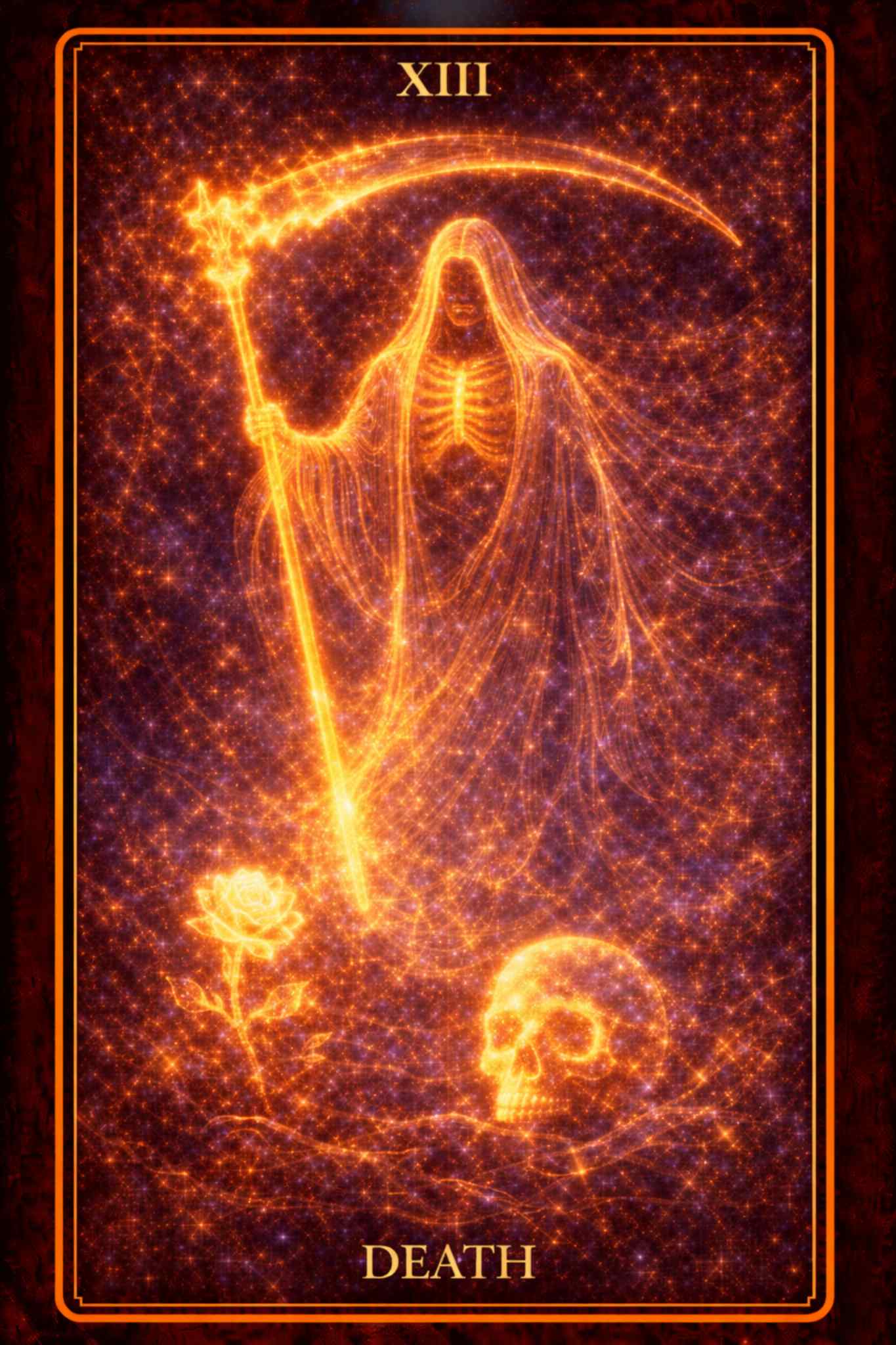
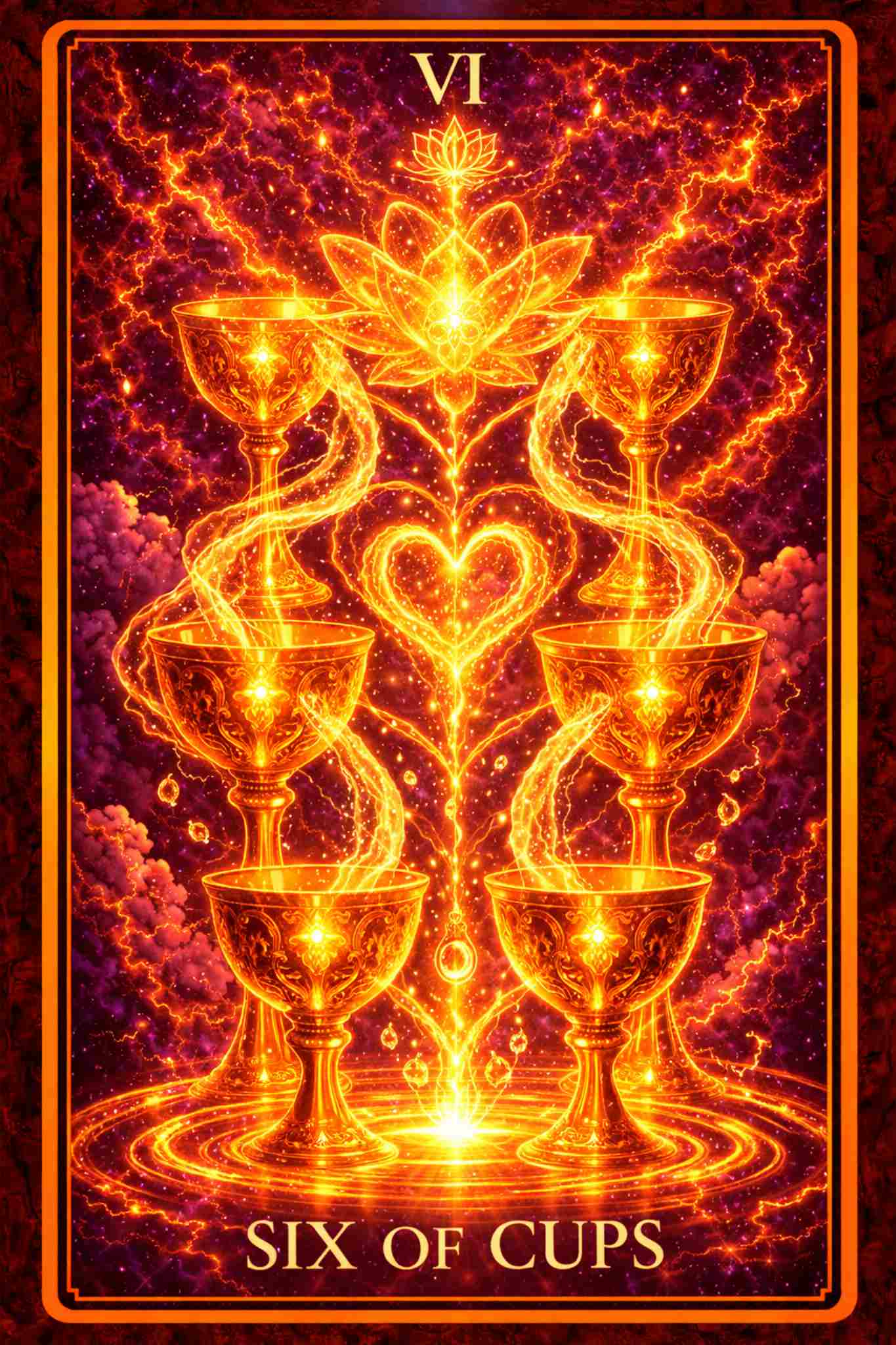
Death and Six of Cups tarot combination meaning
Memory can feel like a home, but sometimes the soul outgrows the room it once returned to for comfort. Death and Six of Cups turns toward that tender threshold. The Six of Cups brings the past, innocence, nostalgia, old bonds, remembered sweetness, and emotional patterns shaped by earlier experiences. Death brings the completion of an old cycle and the quiet certainty that something cannot remain in the same form. Together, they speak of the transformation of memory itself: the past may still matter deeply, but its power over the present is changing.
This combination is not about rejecting what was. It is about releasing the need for the past to stay unchanged inside the heart. The Six of Cups can make old feelings vivid: a person, a place, a younger self, a relationship that once felt simple, or an emotional atmosphere that still carries fragrance years later. Death enters when that memory can no longer be used as a living substitute for the present. The old story may have been meaningful, even beautiful, but the soul is being asked to let it complete its work rather than keep returning to it as if it still contains the whole truth.
The central tension here is between nostalgia and inner evolution. The Six of Cups wants to preserve, remember, revisit, and soften. Death wants to clear what has finished, even when what finished was precious. This is not a cold combination. It can be one of the most bittersweet Death pairings, because it understands that some of the hardest releases are not from pain, but from sweetness. A memory can be warm and still belong to a completed chapter. A bond can be sacred and still need a new meaning. A younger version of the self can be loved without being allowed to lead the present life.
When the past asks to be blessed, not repeated
The Six of Cups often carries emotional innocence. It may point to childhood patterns, old loves, familiar attachments, family imprints, or the way the heart learned to give and receive affection. Death does not destroy that innocence, but it marks the end of identifying with it unconsciously. The person may begin to see that what once felt pure also carried limits. A memory may be idealized. A former connection may be remembered in selective light. An old emotional role may have offered comfort while quietly preventing growth.
This can feel like waking from a beautiful dream and realizing the dream still matters, but it cannot be lived inside anymore. Death and Six of Cups asks the heart to distinguish between honoring the past and letting the past govern the present. The past may offer wisdom, tenderness, and continuity, but when it becomes a refuge from current truth, it can keep the person emotionally young in places where life is asking for maturity.
This theme sits close to Death and Five of Cups, where grief and regret change shape through release. Yet the Six of Cups is usually softer, more nostalgic, and more connected to memory than immediate sorrow. The pain may come less from what went wrong and more from realizing that even what was good cannot stay untouched forever.
Old love, familiar bonds, and changed emotional identity
In love readings, Death and Six of Cups can describe a past relationship, a returning memory, or an old emotional pattern that is ready to be seen differently. This does not automatically mean someone from the past returns, nor does it turn nostalgia into a prediction. The cards are more reflective than that. They ask what the past still represents in the emotional body. Is it love, unfinished grief, longing for innocence, fear of the unknown, or attachment to a version of oneself that existed inside that bond?
Need a little more context around this pairing?
A short reading can help you reflect on the tension, direction, or lesson this combination may be pointing toward.
A past connection may still carry genuine tenderness. Death asks whether that tenderness is alive in the present or preserved mainly through memory. Sometimes a bond can re-enter life in a transformed way, but only if the old projection has completed. Sometimes the most honest act is to bless what was and stop asking it to become the present again. In either case, the heart is invited to release the old emotional costume: the person you were when you first loved, needed, hoped, or believed the story would unfold a certain way.
For this reason, Six of Cups spirituality meaning fits naturally with this combination. It explores nostalgia, tenderness, past bonds, and the deeper imprint of memory on the inner self. With Death, those themes become more decisive. The question becomes whether the past is a living source of wisdom or a preserved room the heart keeps entering because the present feels unfamiliar.
The child-self, the old role, and the end of inherited longing
Death and Six of Cups can also move beyond romance into the older layers of the emotional self. The Six of Cups may show the child-self, family memory, early attachment patterns, or the emotional climate that shaped a person’s sense of safety. Death suggests that one of those inherited patterns is reaching a point of completion. A person may no longer be able to love from the same wound, seek approval in the same way, or confuse familiarity with belonging. This is a profound inner passage because it can feel like losing a part of oneself, when in truth the self is becoming less bound to an old adaptation.
The metaphor here is a childhood garden after the gate has rusted open. The flowers may still be remembered, the light may still be beautiful, but the person is no longer small enough to live there. Death does not burn the garden. It allows the adult self to stop mistaking memory for destiny. The Six of Cups gives tenderness to what shaped the heart; Death gives permission to outgrow the shape.
This distinguishes the pair from The Hanged Man and Six of Cups, where old attachments may linger in suspension, difficult to release not through force but through perspective. Death and Six of Cups is cleaner. It may still be emotional, but the movement is toward completion rather than entanglement. The past is being metabolized, not worshipped.
Timing: when memory has finished its task
Timing with Death and Six of Cups often arrives when a person has revisited the past enough to understand its meaning. The cards suggest that reflection has value, but repeated return may now delay a necessary transition. This is a moment to notice whether memory brings wisdom or keeps reopening the same emotional loop. If the past has offered its teaching, the next step may be to carry the essence forward without preserving the old form.
This can be delicate because the Six of Cups may make the old pattern feel safe. Death asks whether safety is the same as life. A familiar longing can become a kind of emotional shelter, yet it may also keep the person from entering the present fully. The timing may involve accepting that an old bond has become part of the inner landscape rather than an active destination. It may also involve recognizing that the soul has already changed, even if the heart still visits the old room out of tenderness.
A reflective structure such as the past present future tarot spread can be especially fitting here because this combination naturally asks what belongs to memory, what is emotionally active now, and what can emerge once the old story is released from its frozen shape.
Want to place this combination into a wider reading?
If this pairing feels close to something you are experiencing, a simple spread can help you reflect on the surrounding energy with more clarity.
Spiritual release and the dignity of remembering differently
Spiritually, Death and Six of Cups is about the transformation of the inner archive. The past does not vanish; it is reorganized. Memories that once defined the self may become sources of wisdom. Attachments that once felt like identity may become chapters. Old emotional imprints may loosen enough for the person to respond to life from a more present place. This is not about becoming detached from tenderness. It is about allowing tenderness to mature.
The deeper spiritual layer connects well with Death spirituality meaning, because Death as a spiritual card often concerns the release of old identity and the acceptance of life-cycle change. With the Six of Cups, that identity is linked to memory. The person may be releasing the child-self’s version of love, the old dream of return, or the belief that the best emotional truth is always behind them.
The final message of Death and Six of Cups is quiet but powerful: what was precious can remain precious without remaining current. The past can be honored without being repeated. A memory can soften the heart without ruling the next chapter. This combination is the moment when an old photograph is placed gently back into a drawer, not because it has lost meaning, but because the living person can no longer spend every day inside the frame. Something has been loved. Something has ended. Something within the heart is now free to remember and continue.
More combinations with Death
More combinations with Six of Cups
Continue with Death
Explore Related Guides by Topic
If you want to explore this combination through a more specific emotional lens, these tarot guides can help you follow the broader pattern behind the reading.