
The Hanged Man + Six of Cups
Explore how these two tarot cards interact in a reading through symbolic overlap, contrast, and shared narrative. Tarot combinations often reveal meaning that neither card fully expresses on its own.
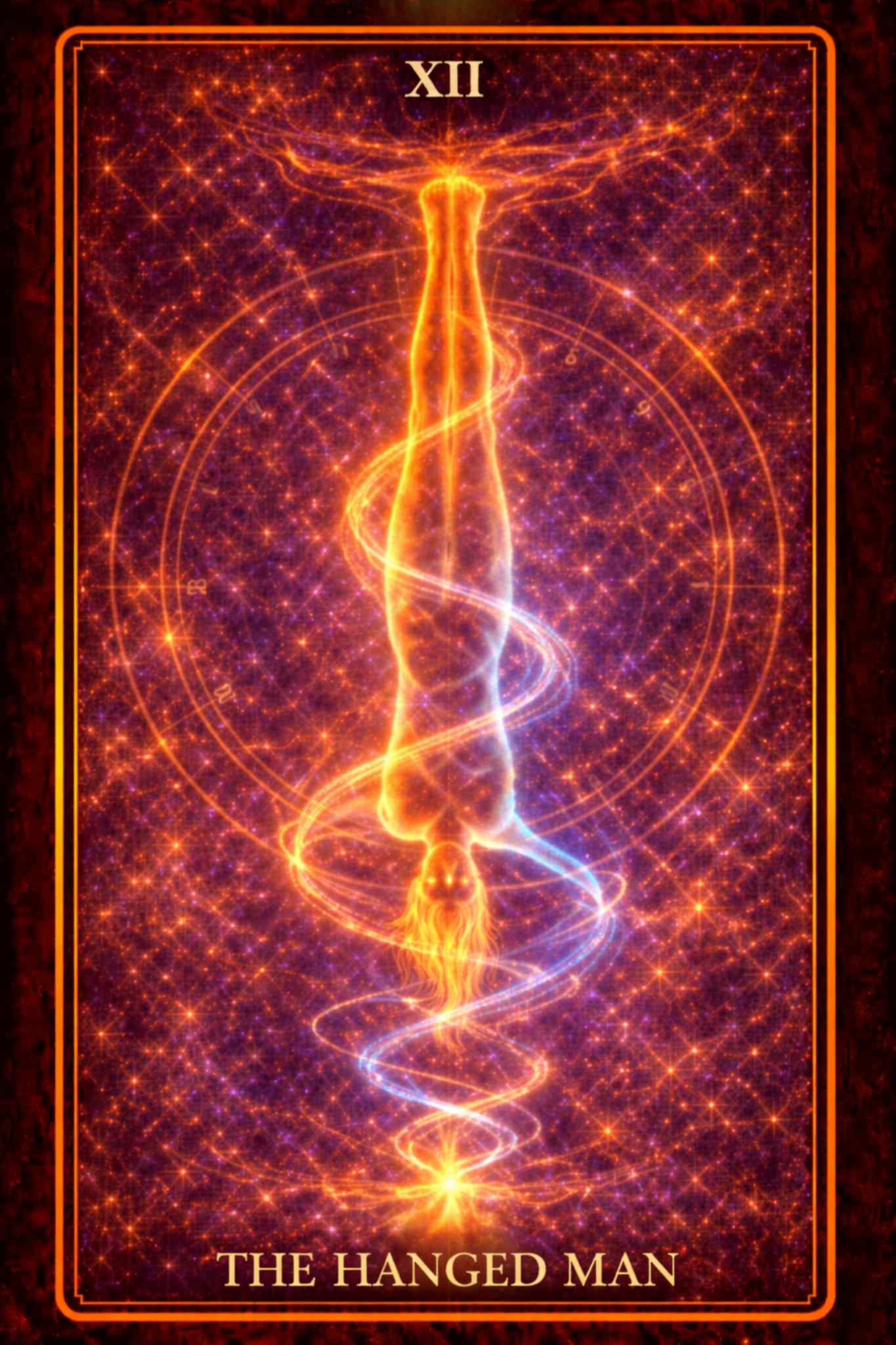
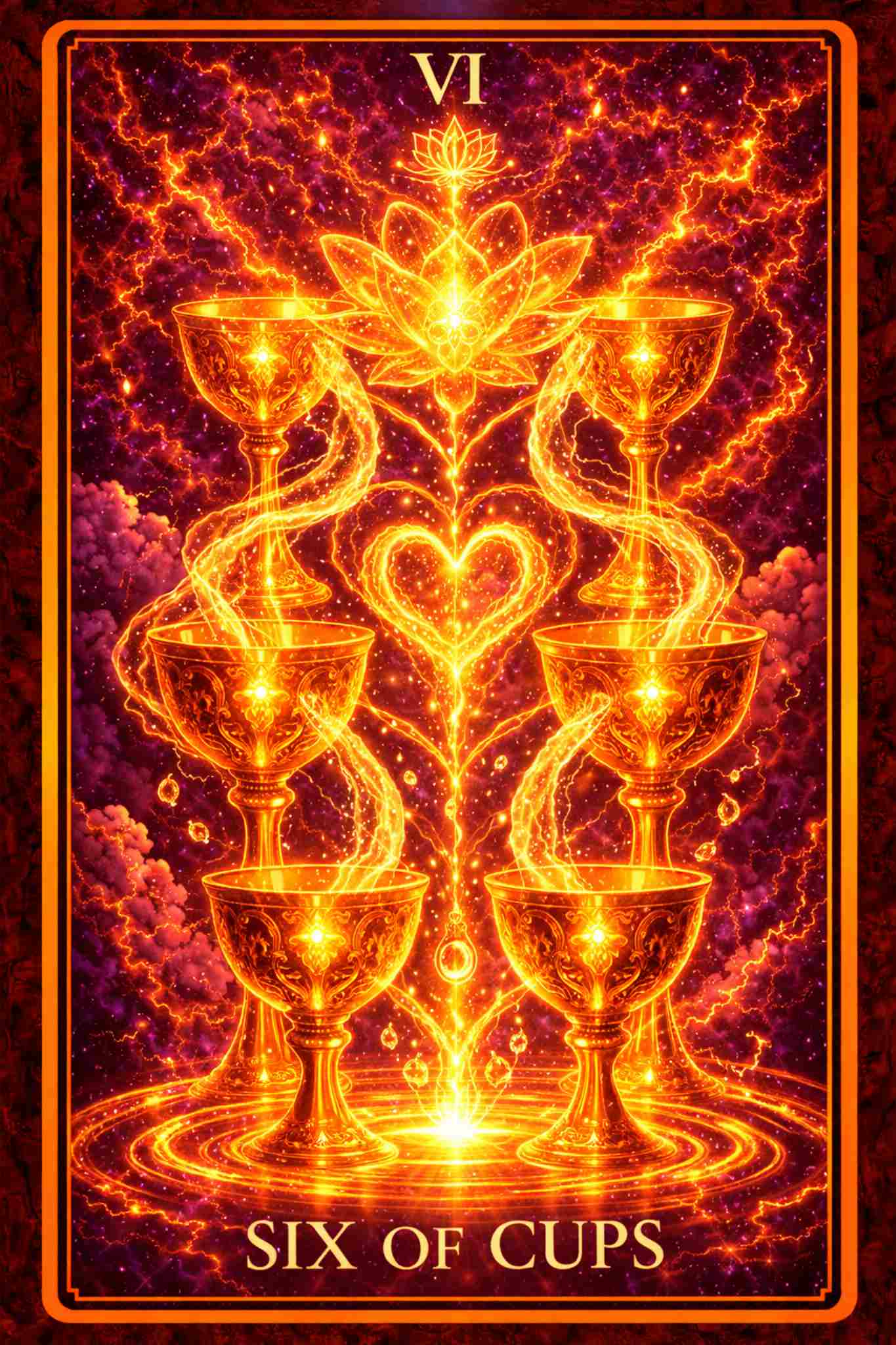
The Hanged Man and Six of Cups tarot combination meaning
The Hanged Man and Six of Cups is a pairing about emotional inheritance, the way old feeling survives inside the present long after the original moment has passed. The Six of Cups carries memory, tenderness, familiarity, old affection, and the inner pull toward what once felt safe, pure, or emotionally unquestioned. The Hanged Man changes the function of that memory. Instead of letting the past remain a soft place to revisit or a simple symbol of emotional comfort, it suspends the entire experience and asks what that familiarity has been shaping beneath the surface all along. This is why the combination feels so delicate and so serious at once. It often appears when the heart is no longer being asked merely to remember. It is being asked to understand what it learned from what it remembers, much like wider emotional closure can emerge when an old cycle is finally seen from a fuller perspective.
That distinction matters because the Six of Cups can easily be mistaken for sweetness alone. It does contain sweetness, but it also contains emotional patterning, remembered safety, and the private mythology people build around what once made them feel seen, chosen, innocent, protected, or emotionally alive. The Hanged Man steps into that space and loosens the automatic trust placed in those old meanings. It does not strip the memory of warmth. It asks whether the warmth has been understood fully, whether the person has been loving the past for what it truly was, or for what it allowed them to believe about love, belonging, and emotional continuity. In that sense, this combination is less about nostalgia and more about reinterpretation. The past comes close, but it comes close in order to be seen from another angle, especially where old emotional bondage may still be holding part of the story in place.
This creates a very different tone from combinations built primarily around sorrow, withdrawal, or stalled desire. Here, the emotional field is gentler on the surface, yet the internal work can be just as profound. A person may find themselves revisiting an old bond, an old hope, an old version of themselves, or simply an emotional atmosphere that feels strangely familiar. The instinct may be to trust that familiarity immediately, because the Six of Cups often feels sincere. The Hanged Man slows that response. It asks whether what feels familiar is truly aligned with the present self, or whether it belongs to an emotional language formed in another chapter of life. The pairing becomes powerful at exactly that point. It reveals that memory is never only about what happened. It is also about what the heart kept alive afterward.
When memory becomes a lens
One of the most important insights in this combination is that the past does not merely return as content. It returns as perspective. The Six of Cups may bring back a person, a feeling, a longing, a relational rhythm, or the subtle ache of something that once felt emotionally whole. The Hanged Man changes how that return is experienced by turning memory into a lens. Instead of asking whether the past should be restored, the cards ask how the past has been shaping the way the present is interpreted. This is a deeper question than most people first expect. It means the real issue may not be whether a bond from the past still matters, but whether the person is still seeing today’s emotional life through yesterday’s assumptions.
This can be tender to recognize. Familiarity often feels trustworthy because it reduces inner strain. A remembered emotional tone can seem safer than the unpredictability of something new. Yet the Hanged Man asks whether comfort has been confused with truth. It invites the person to pause long enough to notice what the memory emphasizes, what it omits, and what role it has continued to play in the emotional imagination. Some memories remain alive because they still hold value. Others remain alive because they were never fully questioned. The Six of Cups brings the feeling of continuity. The Hanged Man asks whether continuity is serving understanding or preserving an old emotional frame that no longer fits as cleanly as it once did.
That is why the pairing can hold such quiet complexity. The person is rarely dealing only with the past itself. They are dealing with the emotional worldview that formed around it. This can include early relational models, old romantic ideals, former versions of trust, or the emotional script that says love should feel a certain way because it once did. The Six of Cups gives those inner scripts warmth and credibility. The Hanged Man suspends them just long enough for deeper seeing to become possible. What emerges is often more nuanced than simple longing. The person may begin to realize that what they miss is partly real and partly interpretive. That recognition is where the pairing begins to do its deepest work.
Love and the return of old feeling
In love readings, The Hanged Man and Six of Cups often appears when emotional familiarity is shaping present perception in a significant way. This may involve someone from the past, but it may just as easily involve a current connection that awakens an old emotional atmosphere. A bond may feel easy, known, strangely immediate, or gently magnetic in a way that seems to bypass ordinary explanation. The Six of Cups often brings that sense of emotional recognition. The Hanged Man asks whether recognition alone is enough to define the truth of the bond now. This creates a much more mature love reading than one based on nostalgia alone. The question shifts from “Why does this feel familiar?” to “What is this familiarity actually asking me to see?”
Sometimes the answer is beautiful. The person may discover that a present relationship is helping them reclaim a softer emotional truth that had been buried under self-protection, cynicism, or fatigue. At other times, the familiarity may expose an older pattern that still exerts influence over the heart. A person may be drawn toward the same emotional dynamic that once shaped them deeply, even if it is no longer aligned with their present path. The Hanged Man makes that distinction more visible. It asks the person to stop idealizing emotional recognition and start reading it more precisely. Familiarity can be meaningful, but meaning still needs interpretation.
This is where a page like past love echoes becomes especially useful, because it helps clarify how tenderness, memory, and emotional return can shape love readings. With The Hanged Man added to the picture, those same themes become less immediate and more contemplative. The person is not only feeling the pull of old affection or emotional softness. They are being asked to understand why that pull still has power and whether it belongs to the present as it is, or to the past as it continues to live inside the heart.
What the heart remembers most
The Six of Cups does not bring back every detail equally. It tends to highlight the emotional essence of what has been remembered, and that is part of what makes the card so beautiful and so tricky. The Hanged Man becomes vital here because it asks which parts of the past have been elevated, softened, or made central in the person’s emotional narrative. What the heart remembers most is not always the same as what happened most objectively. Sometimes it remembers what gave relief. Sometimes it remembers what confirmed innocence. Sometimes it remembers what remained unfinished and therefore stayed emotionally bright. The pairing invites the person to become aware of this inner selection process.
Want to explore this combination in a more personal way?
If this pairing feels important right now, a simple tarot spread can help you reflect on it with more context.
That awareness can be surprisingly liberating. Once the person realizes that memory is not neutral, they become less likely to let emotional familiarity rule the interpretation without question. They may begin to see that what they call “the past” is often a living emotional construction made of moments, meanings, wishes, and omissions. The Hanged Man does not destroy that construction. It asks the person to look at it from the side, from underneath, from the angle that reveals its architecture. That is where understanding deepens. The Six of Cups remains sincere, but sincerity no longer has to mean unquestioned trust in the story memory has been telling.
Cycles, innocence, and emotional repetition
Another major theme in this pairing is repetition, especially the kind that does not look like repetition at first. A person may believe they are responding to the current situation alone, while in reality they are also responding to an older emotional imprint. The Six of Cups carries innocence, but it also carries the emotional templates created in earlier chapters of life. The Hanged Man exposes where those templates are still active. This can be especially important when the present seems emotionally charged in ways that feel disproportionate, tender, or strangely fated. The cards suggest that something older may be informing the experience.
That does not make the feeling false. It makes it layered. A current connection may matter deeply while also activating unresolved memory, childhood-style comfort, or the old hope that something emotionally pure can still be restored in recognizable form. The Hanged Man asks the person to notice the repetition without collapsing into cynicism about it. It is possible for the past to matter and still require reinterpretation. It is possible for innocence to be genuine and still incomplete. The pairing teaches that emotional repetition becomes wise only when it is brought into consciousness. Otherwise, the person risks mistaking emotional echo for destiny.
Key movements in this pairing
- Memory slows down and becomes interpretation.
- Familiarity asks to be read carefully.
- Old tenderness reveals present assumptions.
- Emotional return becomes emotional revision.
- The past softens, then deepens.
Placed in the middle of the reading, these movements matter because they show the real axis of the pair. This is not mainly about reunion, and it is not mainly about closure. It is about what happens when remembered feeling becomes active enough to shape present perception. The Six of Cups brings emotional continuity. The Hanged Man interrupts automatic continuation and asks for insight instead. That is why the pairing can feel calm on the surface while doing major internal work underneath. The person is not simply revisiting the past. They are being asked to stop living inside its old interpretive frame without realizing it.
Career meaning and remembered identity
Although this combination is deeply emotional, its relevance can extend into vocational and life-direction questions in a subtle but important way. The Six of Cups may bring back an earlier sense of calling, talent, enthusiasm, or an old idea of who the person thought they would become. The Hanged Man changes how that remembered identity is evaluated. Instead of pushing toward quick reactivation or nostalgic return, it asks what part of that earlier version still carries truth and what part belongs to a self that has already changed. This makes the pairing especially interesting in career readings, because work can carry just as much emotional memory as love does. A person may be grieving an old dream, revisiting a former ambition, or feeling drawn toward a familiar path for reasons that are more emotional than practical.
This is where career pause meaning can add a useful layer. The Hanged Man in career contexts often points toward suspension, perspective shift, and the need to stop forcing progress through old formulas. When joined with Six of Cups, that pause becomes more personal. It may reveal that the person is still orienting themselves around an older image of success, recognition, or meaningful contribution. The question then becomes less about whether the old dream should return and more about whether its emotional core can be carried forward in a different form. The past may still matter, but the shape through which it once lived may no longer be the only or best container for it.
Spiritual tone and hidden knowledge
Spiritually, this pairing can feel like an initiation into emotional honesty about innocence itself. The Six of Cups often carries the sweetness of what felt unguarded, clean-hearted, or naturally trusting. The Hanged Man reveals that innocence is not something to be replicated mechanically. It is something to be understood in light of growth, loss, experience, and changed perception. This is why the pair can resonate with silent sorrow wisdom, even though the emotional texture differs. Both combinations ask for a quieter relationship to what the heart knows beneath speech. Here, however, the knowledge comes through memory and tenderness rather than through grief alone. The person senses that the past still contains meaning, but the meaning wants a more subtle reading now.
There is also a softer connection with grief in solitude, especially where emotional reflection becomes private, prolonged, and spiritually significant. Yet The Hanged Man and Six of Cups is less austere. It keeps more warmth in the emotional field. Its lesson is not to withdraw completely, but to become still enough for memory to disclose what it has been protecting, preserving, or repeating. In that stillness, innocence is no longer treated as a place to return to unchanged. It becomes part of a wiser inner truth, one that includes tenderness without confusing tenderness for total accuracy.
No contact, return, and emotional projection
This combination can be especially meaningful in no-contact situations, because distance often amplifies the emotional force of remembered connection. The Six of Cups can make the absent person feel vivid, emotionally near, and wrapped in the atmosphere of what once felt gentle or significant. The Hanged Man complicates that nearness by asking whether distance is clarifying the truth or intensifying projection. In these cases, a resource like the no contact guide can help frame the emotional experience more honestly. The key issue is rarely just whether someone returns. It is whether the heart is using distance to understand the bond differently, or using memory to hold the bond in a form that no longer reflects the present clearly.
This distinction is especially important because the Six of Cups can make emotional return feel inherently meaningful. Sometimes it is. Sometimes it is a signal that the person is revisiting an old chapter because it still holds unfinished emotional material. The Hanged Man slows the urge to romanticize that return too quickly. It does not deny emotional significance, but it refuses to let significance equal simple repetition. The person is invited to ask what exactly is returning: the person, the pattern, the feeling, the need, or the story. That question often changes everything.
Ready to see how this applies to your situation?
A focused tarot reading can help you explore how The Hanged Man + Six of Cups may reflect your current situation, not just the general meaning of the cards.
FAQ
Does The Hanged Man and Six of Cups always mean someone from the past returns?
It can point to a person from the past, but it often speaks more broadly about memory, emotional patterning, or familiar feelings becoming active again in the present.
Is this combination mainly positive?
It is gentle in tone, yet deeper than a simple positive or negative label. Its value comes from helping the person see emotional familiarity more clearly instead of trusting it automatically.
What is the main lesson of this pairing?
To understand what the heart has been carrying forward from the past, and to see memory as a perspective-shaping force rather than only a source of comfort.
More combinations with The Hanged Man
More combinations with Six of Cups
Continue with The Hanged Man
Explore Related Guides by Topic
If you want to explore this combination through a more specific emotional lens, these tarot guides can help you follow the broader pattern behind the reading.