
The Hierophant + Six of Wands
Explore how these two tarot cards interact in a reading through symbolic overlap, contrast, and shared narrative. Tarot combinations often reveal meaning that neither card fully expresses on its own.

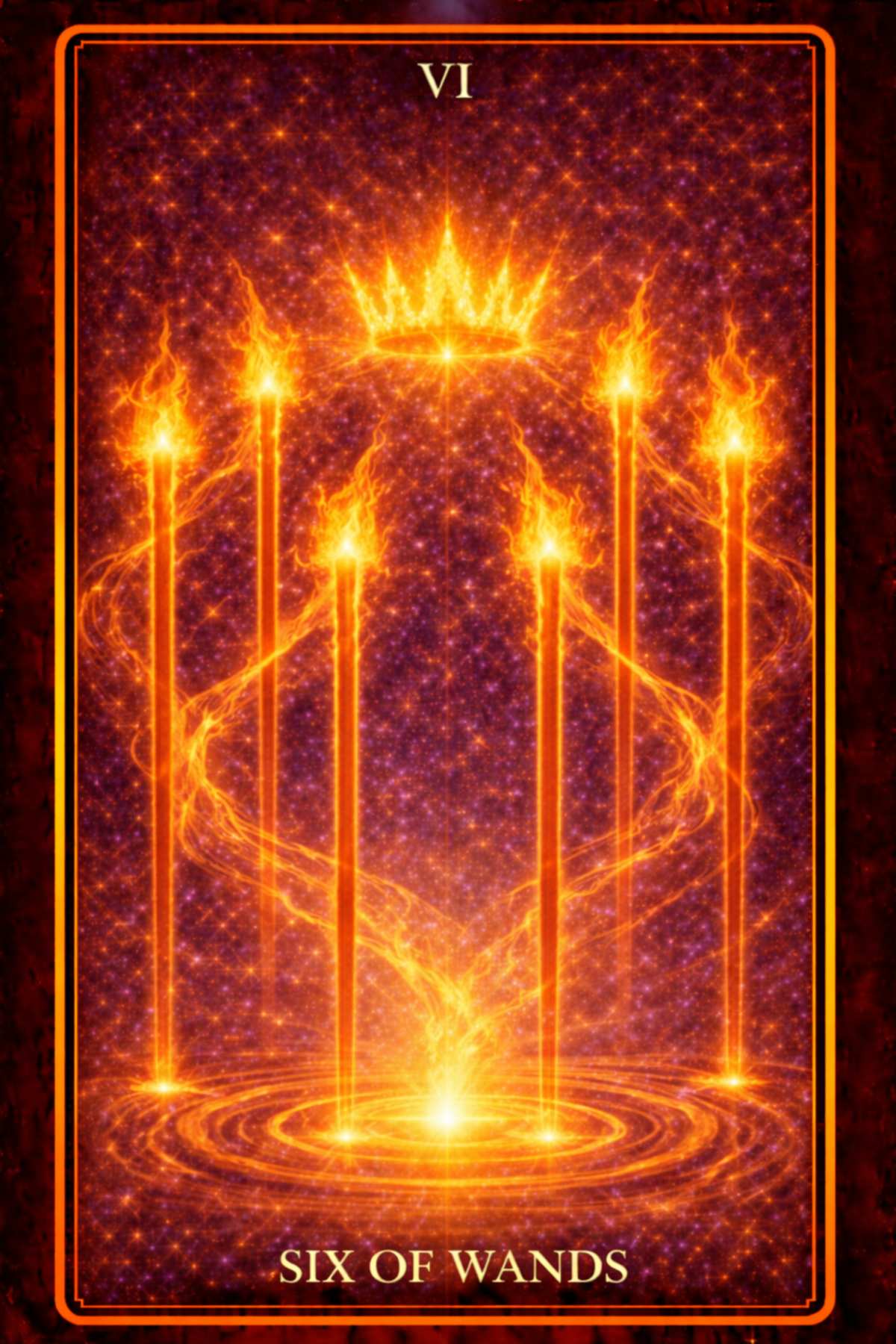
The Hierophant and Six of Wands Tarot Combination Meaning
The Hierophant and Six of Wands create a combination concerned with public recognition, but not in a shallow sense. The Six of Wands is often associated with victory, acknowledgment, visibility, and the experience of being seen as effective, admirable, or worthy of support. It carries social momentum. People notice. A result has been achieved, an effort has become visible, or a person has stepped into a role that others respond to. The Hierophant changes the tone of that success immediately. He asks what values, teachings, standards, or structures are shaping the recognition. Are you being affirmed because you truly embody something meaningful, or because you fit a familiar image of legitimacy? Is the praise connected to real integrity, or only to social reward? Together, these cards speak to the relationship between credibility and conscience, approval and principle, outward success and the framework that gives it moral weight.
This makes the pairing especially relevant whenever visibility is increasing. The Six of Wands alone can feel triumphant, but it can also drift toward ego, performance, or over-identification with applause. The Hierophant introduces a sobering depth. He reminds you that recognition is never entirely neutral. It happens inside communities, institutions, traditions, and value systems that decide what to elevate. That does not make praise false, but it does make it worth examining. Sometimes this pair indicates well-earned respect built on consistency, knowledge, and trustworthy example. Sometimes it reveals the temptation to let public approval replace inner alignment. The cards do not condemn success. They ask whether success can remain answerable to truth once others begin to validate it.
Core symbolic dynamic
At the symbolic level, The Hierophant and Six of Wands combine established meaning with visible validation. The Hierophant represents the structures through which communities transmit what they consider honorable, proper, wise, or worthy of trust. The Six of Wands represents what rises above the crowd long enough to be named, celebrated, or followed. When these two meet, the pattern often concerns honorable leadership, social legitimacy, and the pressure that comes when visibility grows. This can be a strong combination for people stepping into roles where they are not only acting, but being read as examples. Their behavior begins to teach, whether intentionally or not. Their tone, consistency, and judgment matter because other people are watching for signals of what deserves confidence.
That teaching function is central. The Hierophant is not only a guardian of tradition; he is also a transmitter of meaning. The Six of Wands is not only a winner; it is a figure carried by collective attention. Put together, they can indicate recognition that comes through expertise, disciplined effort, embodied values, or a kind of credibility others can feel. But they can also reveal how quickly recognition becomes entangled with image. A person may be rewarded for appearing trustworthy rather than being deeply grounded. A group may elevate what is socially legible rather than what is most alive or true. That is why this combination asks for unusual honesty. Are you building a life that can bear recognition well, or becoming dependent on being seen in a certain way?
Love and relationship meaning
In relationship readings, The Hierophant and Six of Wands can suggest a bond that becomes more visible, more affirmed, or more publicly recognized. This may show a relationship receiving approval from family, community, or shared social circles. It can also indicate a couple growing stronger through mutual respect, clearer commitment, and a sense that the connection now stands in a more confident place. The Six of Wands brings pride, acknowledgment, and the lift that comes when something feels recognized rather than hidden or uncertain. The Hierophant adds commitment, values, social meaning, and the question of what standard the relationship is actually living by. Together, the cards can point toward a bond that is not merely desired, but respected.
At the same time, this pairing asks whether the relationship is becoming stronger in reality or only looking stronger from the outside. Some bonds receive approval because they fit expected forms, not because they are deeply healthy. Others become more grounded because the people involved are genuinely developing trust, shared ethics, and mature consistency. The Hierophant wants substance beneath recognition. The Six of Wands wants the relief of visible success. If this pair appears in a love context, it may be asking whether the relationship is shaped by genuine mutual values or by the desire to seem successful, chosen, or validated. In its healthiest form, this is a combination of honorable commitment and deserved confidence. In shadow, it can become partnership upheld by image more than intimacy.
Career, vocation, and public leadership
In work and vocation, this pair often appears when someone is entering a phase of increased recognition, authority, or professional credibility. The Six of Wands suggests that effort is being noticed. There may be praise, a milestone, a respected role, a successful launch, or simply the sense that others now look to you with more confidence than before. The Hierophant adds substance to that development. He can represent training, credentials, mentorship, institutional backing, ethical standards, or the responsibility of becoming a visible example within your field. This is especially strong for teachers, guides, practitioners, leaders, writers, and anyone whose work depends not only on skill, but on trust.
Want to explore this combination in a more personal way?
If this pairing feels important right now, a simple tarot spread can help you reflect on it with more context.
The deeper lesson is that public success becomes meaningful only when it remains tethered to principles that can survive scrutiny. Recognition feels good, and there is nothing inherently wrong with that. Yet the Six of Wands can be intoxicating if it is not grounded. The Hierophant asks whether the success is supported by real discipline, knowledge, and values, not only by presentation or crowd response. You may be stepping into greater influence. If so, the cards ask you to become more careful about what you endorse, model, and normalize. Are you teaching from lived depth, or from the momentum of approval? Are you being rewarded for genuine integrity, or for fitting an existing system’s preferred image? Sometimes the answer is clean. Sometimes it is not. That is part of what this pair asks you to notice.
Spiritual and psychological lesson
Spiritually, The Hierophant and Six of Wands reveal the subtle relationship between outer affirmation and inner alignment. Many people say they want recognition, but often what they long for is reassurance that their path matters. Recognition can temporarily provide that feeling. The Six of Wands carries the relief of being seen. The Hierophant asks whether you are also willing to be guided by something deeper than praise. This is especially important in spiritual, healing, symbolic, or service-based paths, where it is easy to become attached to appearing wise, helpful, or advanced. The Hierophant reminds you that wisdom is not the same as status, and devotion is not the same as reputation. The Six of Wands reminds you that public response will affect the ego whether you intend it to or not.
Psychologically, this pairing may appear when you are learning how to carry success without letting success become identity. Recognition can awaken old hunger, the need to be approved, the fear of losing standing, or the temptation to shape yourself around what gets rewarded. The Hierophant asks for a steadier center. What do you believe in when no one is clapping? What standards would still matter if the crowd moved on? Which parts of your character are worth cultivating regardless of social response? These are sobering questions, but they are also protective. They help success remain usable instead of consuming. In a grounded reading, this pair supports being seen, respected, and acknowledged, but only while inviting deeper accountability to the values that made the recognition worth having at all.
Shadow expression and challenge
The shadow of this combination appears when validation becomes more important than truth. One form is moralized image management: appearing trustworthy, respectable, educated, spiritual, or principled because those traits are socially rewarded, while the actual inner life remains underdeveloped. Another form is dependence on institutional approval. A person may only feel legitimate when endorsed by a title, credential, or group, even if that structure no longer reflects deeper integrity. The Six of Wands can become vanity, public dependency, or fragile confidence built on applause. The Hierophant can become hollow orthodoxy, gatekeeping, or hiding behind authority rather than embodying it. Together, the shadow can produce a polished success that looks honorable but feels strangely empty up close.
In relationships, this may show a couple admired by others while avoiding real emotional work. In work, it may show being elevated too quickly, speaking with more certainty than integration, or confusing followers with depth. In spiritual communities, it can show charismatic respectability covering unresolved ego hunger. The correction is not self-erasure or rejection of success. It is humility. Can you receive acknowledgment without building your identity around it? Can you stay teachable while being respected? Can you let recognition confirm effort without allowing it to replace conscience? These are the questions that keep this pairing honest.
FAQ
Is The Hierophant and Six of Wands a positive combination?
Usually yes, especially when recognition is grounded in real integrity, effort, and consistency. Its caution is not against success itself, but against confusing praise with truth.
Can this combination indicate public success?
Very often. It can point toward visibility, validation, leadership, or a growing sense that other people now trust what you are doing.
Does this combination relate to reputation?
Yes. It often raises questions about credibility, legitimacy, and whether the image being affirmed matches the deeper reality beneath it.
Ready to see how this applies to your situation?
A focused tarot reading can help you explore how The Hierophant + Six of Wands may reflect your current situation, not just the general meaning of the cards.
Closing reflection
The Hierophant and Six of Wands describe recognition with ethical weight. There is affirmation here, and often deserved affirmation. Something may be working. A role may be solidifying. A bond may be gaining respect. A public or professional path may be opening more clearly. Yet the cards are careful. They ask what kind of example you are becoming, what your success teaches, and whether your credibility is rooted in something more durable than social response.
The most grounded response is to let success increase your responsibility, not just your confidence. Be glad when your effort, work, or integrity is seen. Let honest affirmation nourish you. But do not build your center on being applauded. Build it on what remains true when no one is watching. When these two cards work well together, the result is not hollow visibility. It is honorable recognition, the kind that can be trusted because it rests on substance.
More combinations with The Hierophant
More combinations with Six of Wands
Continue with The Hierophant
Explore Related Guides by Topic
If you want to explore this combination through a more specific emotional lens, these tarot guides can help you follow the broader pattern behind the reading.