
Three Card Tarot Spread
Card count: 3
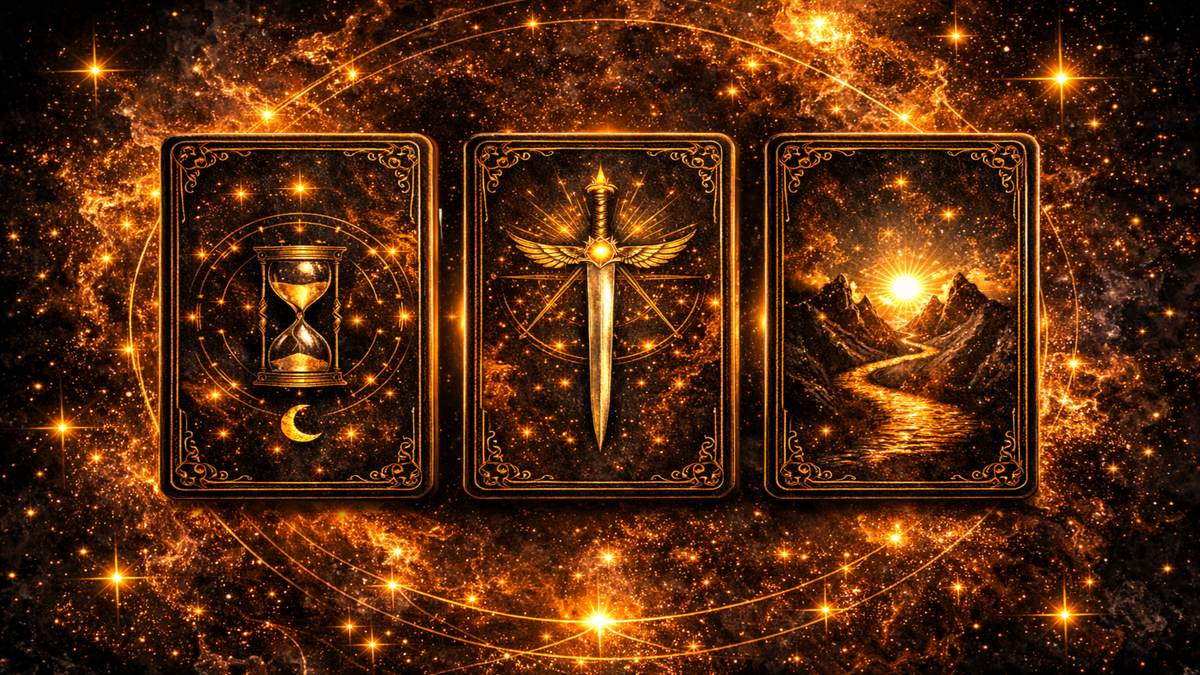
Introduction
The Three Card Tarot Spread is one of the most practical and versatile tarot layouts for readers who want more structure than a single card, but still prefer a clear and approachable reading. Among modern tarot spreads, this layout remains one of the most popular because it balances simplicity with depth. Three cards are enough to create movement, contrast, and narrative without overwhelming the reader.
While the One Card Tarot Spread focuses on one central message, the three-card layout introduces relationship between positions. That relationship is what makes the spread so powerful. Instead of receiving one isolated symbol, you begin to see how energies interact, how a situation develops, and where awareness is needed. This makes it a natural next step for beginners and a timeless tool for experienced readers.
The beauty of the Three Card Tarot Spread lies in its flexibility. The same structure can be used for many different purposes. Some readers use it as a past present future tarot spread, while others read it as situation challenge advice, mind body spirit, or option one option two guidance. Because the layout is so adaptable, it appears again and again in both traditional tarot practice and modern digital reading tools such as the Three Card Tarot Reading.
Each position adds context. The first card often reveals the origin or foundation of the matter. The second shows what is active now, and the third points toward likely development, advice, or a broader lesson. This layered structure makes the spread especially useful when a question feels more complex than a simple daily pull, but does not yet require a large layout like the Celtic Cross Tarot Spread.
In practice, three-card readings are ideal for decision making, emotional clarity, relationship reflection, and understanding short-term energy shifts. They are also excellent for learning tarot because they teach positional meaning. A card does not speak in the same way everywhere. Position changes emphasis, and that is one of the most important lessons in tarot interpretation.
The spread also helps readers understand the symbolic language of the deck more deeply. Seeing three cards together encourages pattern recognition. You begin to notice repeated suits, elemental balance, character direction, and emotional tone. Studying the cards through the Major Arcana and Minor Arcana becomes even more meaningful when those symbols are observed in relationship to one another.
Because it is so balanced, the Three Card Tarot Spread is often recommended as a core part of any tarot practice. It is easy to repeat regularly, strong enough for real insight, and flexible enough to support many reading goals. For people who want clarity without excessive complexity, it remains one of the most reliable tarot card spread layouts available.
Want to try this spread with your own question?
You can use a guided tarot reading tool to reflect on your situation with more structure and less guesswork.
How to Use This Spread
Using the Three Card Tarot Spread is simple, but the quality of the reading improves when you choose a clear intention and assign meaningful positions. This spread works well with both intuitive reading and structured analysis, making it ideal for readers at every level.
1. Define the reading purpose
Before drawing cards, decide what the three positions will represent. Common examples include:
- Past - Present - Future
- Situation - Challenge - Advice
- Mind - Body - Spirit
- Option A - Option B - Guidance
If you want a time-based reading, you can also explore the dedicated Past Present Future Tarot Spread. If you want love-focused guidance, the Love Tarot Spread may be a better fit.
2. Center your question
Take a moment to calm your mind. Ask one clear question or set one reading theme. The spread is most effective when the cards are responding to one focused area instead of several unrelated concerns at once.
Examples include:
- What energy surrounds this relationship?
- What do I need to understand about this decision?
- How is this situation developing?
- What should I focus on right now?
3. Shuffle and draw three cards
Shuffle while holding the question in mind, then draw three cards and place them from left to right. Most readers interpret the cards in order, but it also helps to pause and observe the visual story before assigning fixed meanings.
4. Notice patterns
Once the cards are laid out, look for repeated themes. Are there many cards from the same suit? Do several cards suggest motion, tension, healing, or reflection? Are there strong Major Arcana influences, or is the reading rooted in everyday Minor Arcana experiences?
These patterns often reveal the emotional tone of the reading before detailed interpretation even begins.
5. Read each position separately
Interpret each card according to its assigned role. The same card can mean different things depending on whether it appears as a cause, a challenge, or guidance. This is one reason why positional reading is such an important tarot skill.
6. Read the story as a whole
After reading each position individually, combine the message. The true strength of the spread is not only in three separate interpretations, but in the story formed by the connection between them. Ask:
- How does the first card influence the second?
- Does the third card resolve tension or deepen it?
- What emotional or spiritual pattern is repeating?
Readers who enjoy this structure often continue into broader layouts such as the Celtic Cross, while those who want fast clarity may prefer the One Card Tarot Reading tool.
How to Interpret It
Interpreting the Three Card Tarot Spread requires two levels of reading: first the meaning of each individual card, and then the relationship between the cards. This dual process is what gives the layout its depth.
Position creates meaning
A card never exists in isolation inside a spread. In a three-card reading, the first card often explains what led to the current situation, the second shows where energy is concentrated now, and the third points toward direction, advice, or likely development. Because of this, one card can feel supportive in one position and cautionary in another.
Look for movement
Three-card readings often create a visible flow. A difficult first card followed by calmer energy may suggest release or healing. A hopeful opening followed by tension may indicate that something requires more honesty or effort. This sense of movement is why the spread feels more dynamic than a one-card pull.
Example interpretation
If the cards are Five of Cups, The Hermit, and The Star, the message may describe emotional disappointment, a present need for reflection, and a future path of healing and renewed hope. The reading becomes more than three definitions. It becomes a process.
If the cards are The Fool, Two of Swords, and Queen of Wands, the spread may suggest a new beginning that is currently blocked by indecision, but can move forward through confidence and self-trust.
Upright and reversed nuance
If you read reversed cards, their role in a three-card spread often becomes more subtle and informative than dramatic. Reversals may point to delays, inner resistance, emotional blockage, or energy that is present but not fully expressed. In a structured spread, reversals can show where the flow is interrupted.
Major and Minor Arcana balance
If several Major Arcana cards appear, the reading may point toward a bigger life lesson, karmic turning point, or inner transformation. If the spread is mostly Minor Arcana, the situation may be more practical, emotional, or tied to everyday decisions and relationships.
Why this spread stays essential
The Three Card Tarot Spread remains one of the strongest foundations in tarot because it teaches clarity, structure, and symbolic storytelling at the same time. It can be used for daily guidance, self-reflection, relationships, work questions, and intuitive development.
For many readers, it becomes the bridge between the focused simplicity of the one-card tarot spread and the complexity of broader layouts. It is simple enough to use often, but rich enough to offer meaningful spiritual and practical insight.
Ultimately, the spread shows that tarot guidance becomes more powerful when symbols are allowed to interact. Three cards are often enough to reveal not only what is happening, but why it matters and where the energy may be moving next.
Tarot is used here as a symbolic and reflective tool. Interpretations are offered for personal insight and do not replace professional advice.