Court Cards in Tarot — Page, Knight, Queen & King Meanings

Court Cards represent people, personality patterns, maturity levels, and roles. Instead of events, they describe how energy behaves. Each suit expresses this through Page (learning), Knight (action), Queen (inner mastery), King (outer leadership).

Court Cards exist in all four suits: Wands, Cups, Swords, Pentacles. For number-based cards, explore the Minor Arcana hub.

Four maturity stages (Arvethis model)

Page

Student energy. Curious, learning, observing. Early-stage growth.

Knight

Movement and pursuit. Directional, passionate, sometimes impulsive.

Queen

Inner mastery. Emotional intelligence, depth, and steadiness.

King

Outer leadership. Responsibility, structure, and earned authority.

How to use them

Court Cards can represent a specific person, your role in the situation, your maturity level, or the behavior the moment is asking for. When a Court Card appears, ask: who is acting — and how?

What Court Cards really represent

Court Cards don’t predict events — they describe how energy behaves through a role. Sometimes that role is another person. Sometimes it’s you. Often it’s the “part of you” that is driving the moment. The question isn’t “who is this?” first — it’s: what role is active, and what does it need to do well?

In Arvethis terms: Court Cards show maturity (how developed the energy is), direction (how it moves), and expression (how it lands in real life).

Page, Knight, Queen, King — upright vs reversed

Upright and reversed are less about “good vs bad” and more about skill vs strain. Upright shows the role functioning cleanly. Reversed often shows the same role under stress: overdoing it, avoiding it, or expressing it immaturely.

Page

Upright: curiosity, learning, honest beginner energy.
Reversed: scattered attention, immaturity, fear of looking inexperienced.

Knight

Upright: pursuit, momentum, brave action.
Reversed: impulsiveness, burnout, chasing without direction.

Queen

Upright: inner mastery, emotional steadiness, wise receptivity.
Reversed: insecurity, over-control, mood-driven decisions, boundary blur.

King

Upright: leadership, responsibility, protective structure.
Reversed: rigidity, domination, avoidance of responsibility, cold authority.

Suit signatures

A Court Card’s “personality” comes from the suit. Think of the suit as the element the role is made of: Wands (fire: courage, ambition, desire), Cups (water: feelings, bonding, healing), Swords (air: mind, truth, communication), Pentacles (earth: stability, work, money).

Wands courts

Initiative, passion, charisma. Watch for impatience when reversed.

Cups courts

Emotional intelligence, care, romance. Watch for mood or idealization when reversed.

Swords courts

Clarity, boundaries, truth-telling. Watch for harshness or defensiveness when reversed.

Pentacles courts

Reliability, patience, provision. Watch for stagnation or stubbornness when reversed.

How to identify “who” without guessing age or gender

Court Cards can map to people, but not literally by gender or age. Use role markers instead:

  • Context: who has influence here? who initiates? who decides?
  • Behavior: who acts like a Page/Knight/Queen/King right now?
  • Timing: Page = early stage, Knight = active pursuit, Queen = inner stabilization, King = decision/structure
  • Suit clue: Wands = desire/drive, Cups = feelings, Swords = mind/communication, Pentacles = practical reality

If you’re unsure, read the Court Card as the energy the moment is asking you to embody. That interpretation is often the most useful — and the most accurate.

Pairing tip

Pair Court Cards with Aces to see what’s beginning, and with the Major Arcana to understand the deeper life lesson behind the role.

Try it right now

Want a clear tarot message about your next move? Try a quick pull: One Card Tarot Reading for a simple insight, or a 3-Card Tarot Reading for a fuller perspective.

Prefer a focused question? Explore Love Tarot Reading, Career Tarot Reading, or a quick Yes / No Tarot.


Published Court Cards

Open a card for the full meaning: upright + reversed interpretation, with practical guidance and reflection prompts.

Page of Wands

11
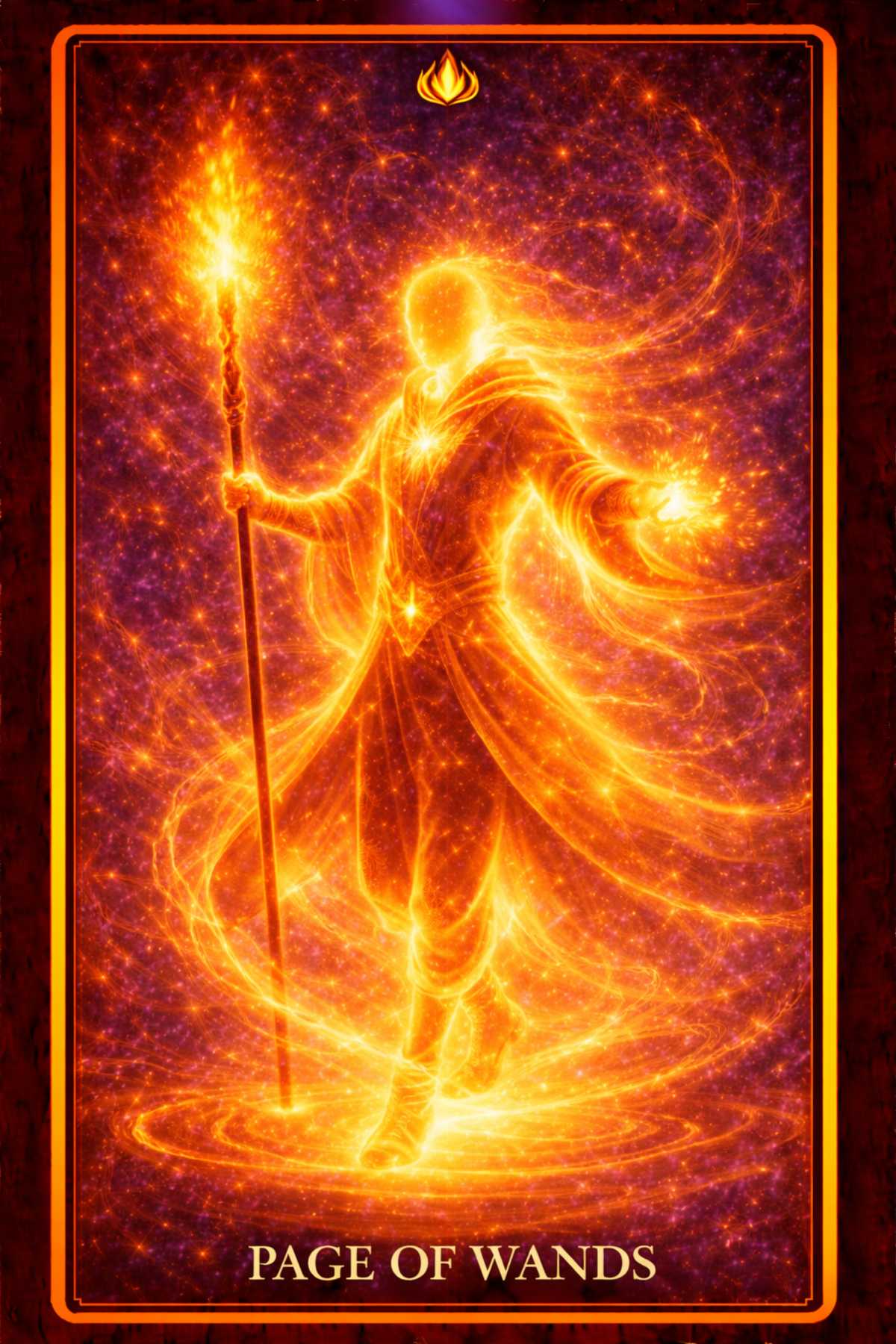
curiosity • enthusiasm
Page of Wands tarot card – curiosity, discovery, message and emerging passion
Upright: Curiosity, enthusiasm, and adventurous new energy are active.
Reversed: Immaturity, inconsistency, or scattered excitement may be present.

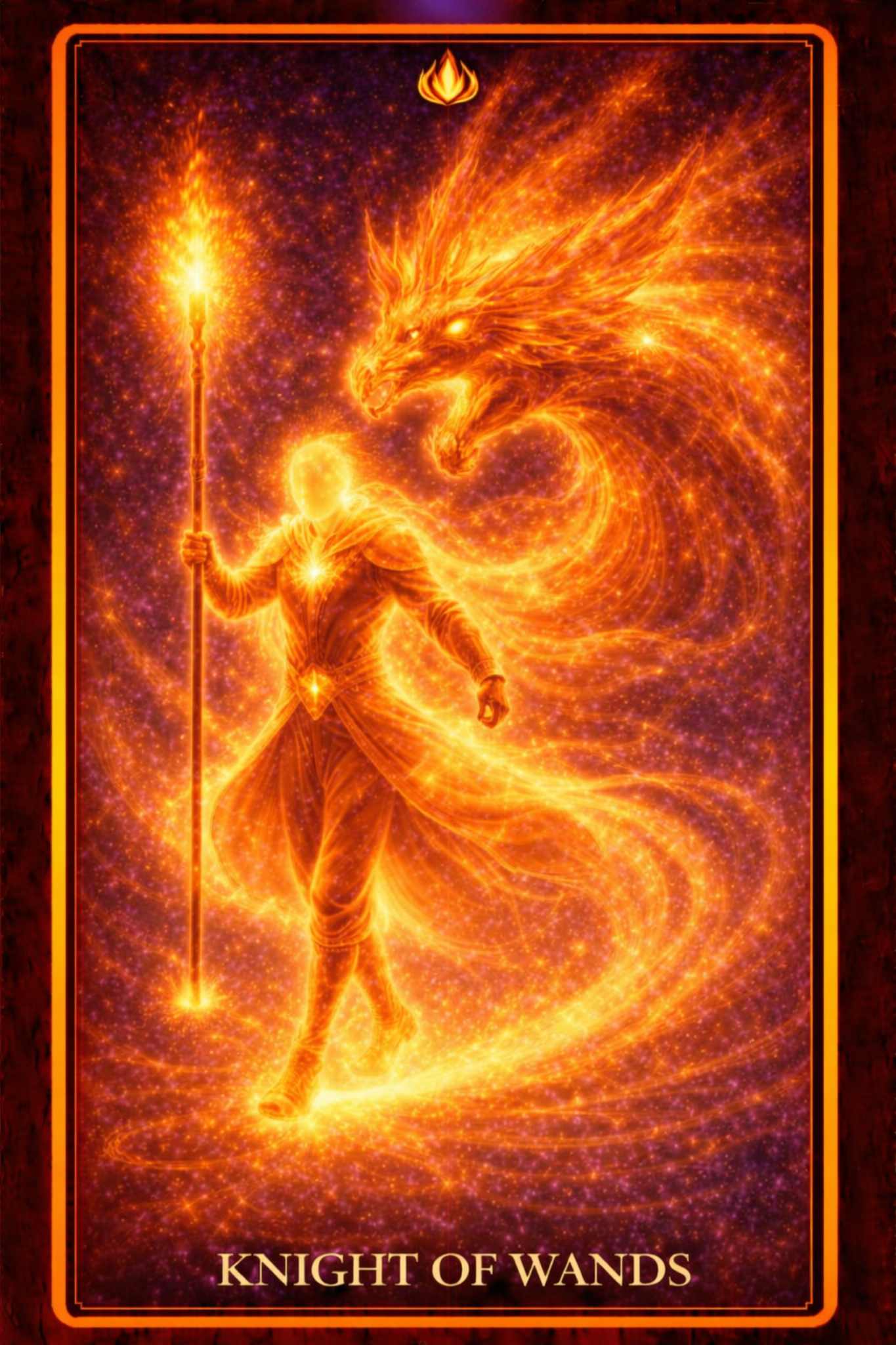
Knight of Wands

12
action • passion
Knight of Wands tarot card – bold action, passion, movement and restless intensity
Upright: Bold action, pursuit, and passionate movement are active.
Reversed: Impulsiveness, inconsistency, or reckless intensity may be complicating the situation.

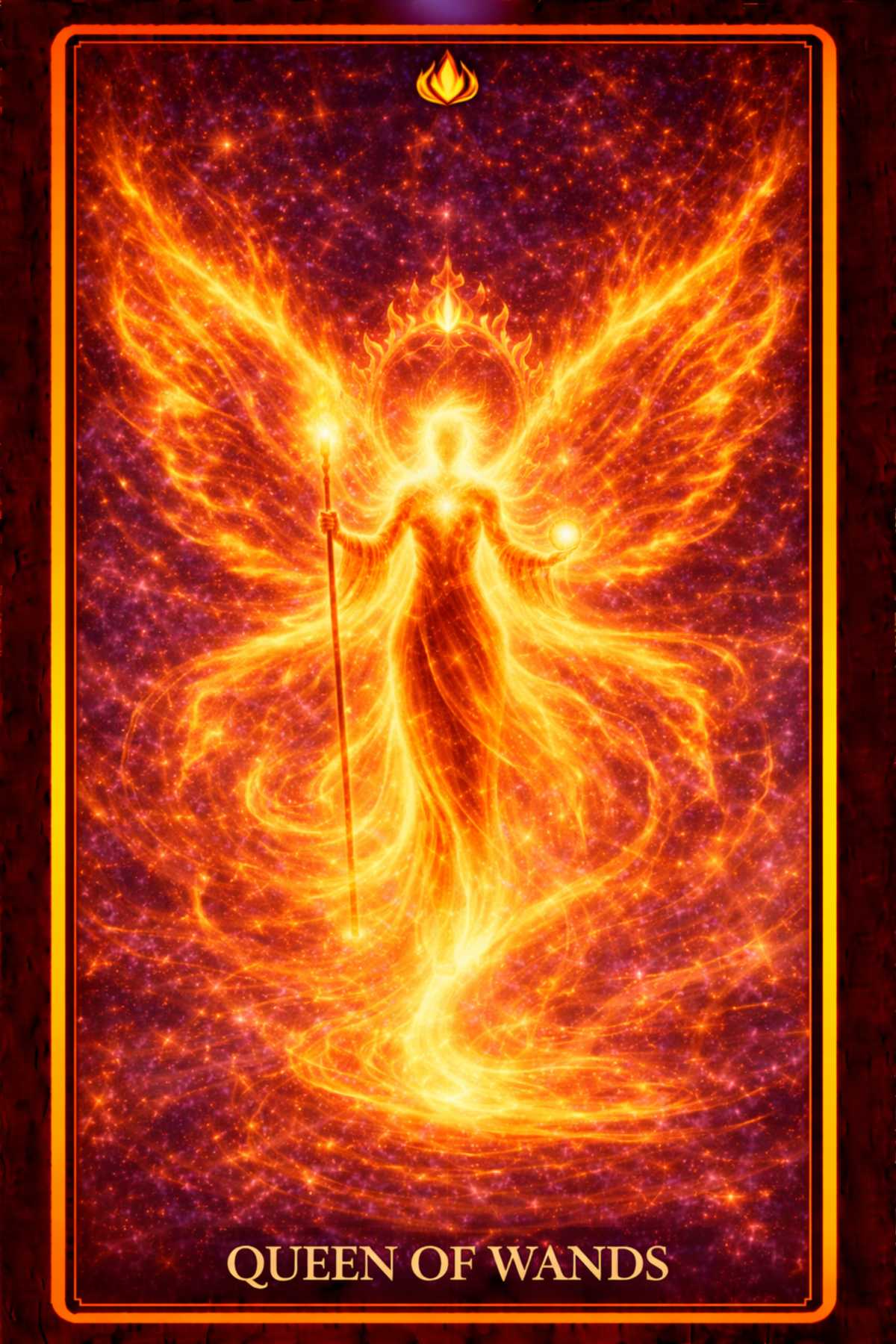
Queen of Wands

13
confidence • charisma
Queen of Wands tarot card – confidence, magnetism, warmth and self-possessed fire
Upright: Confidence, magnetism, warmth, and self-directed fire are strong.
Reversed: Insecurity, jealousy, or distorted confidence may be affecting the situation.

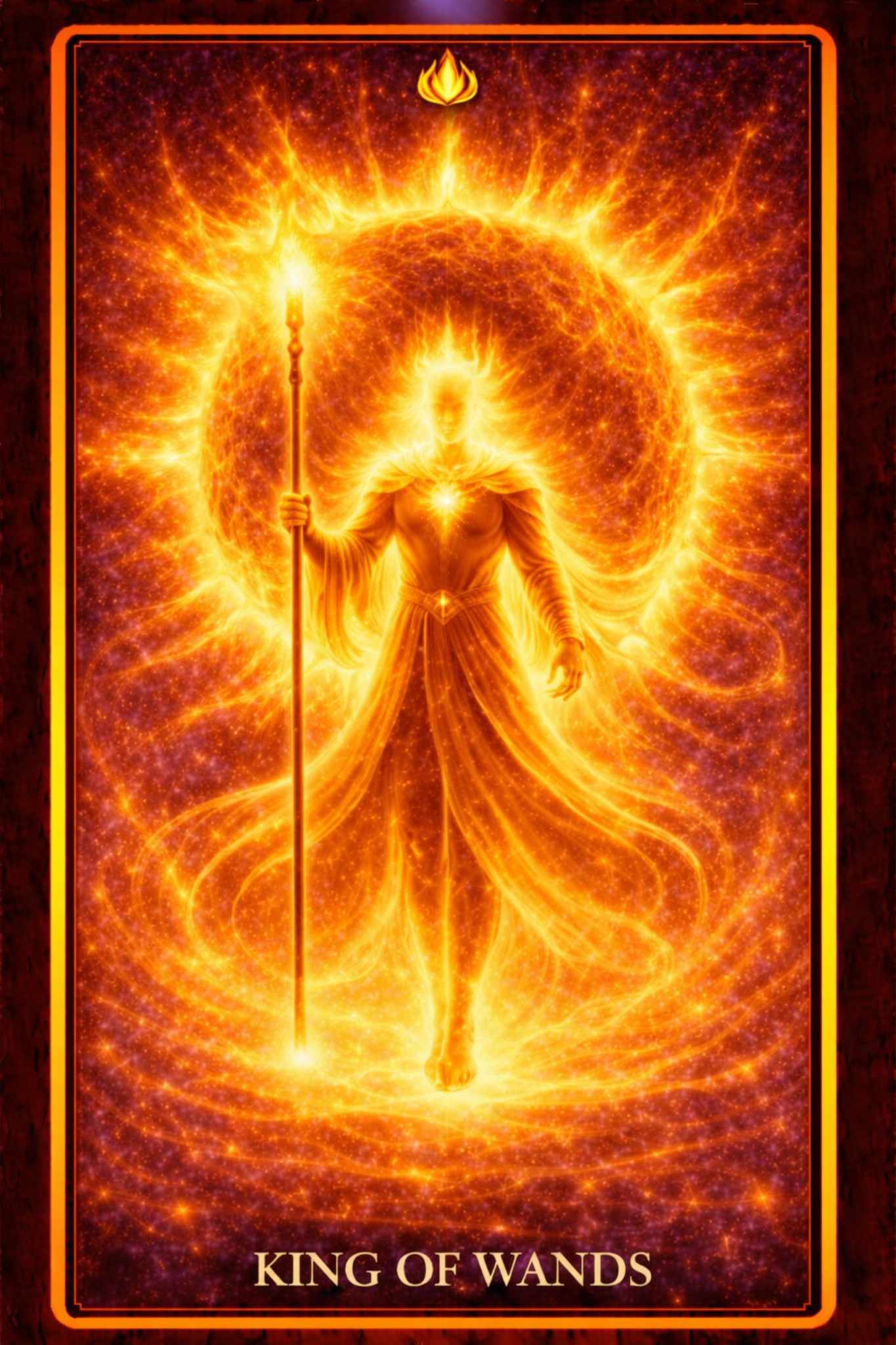
King of Wands

14
leadership • vision
King of Wands tarot card – vision, leadership, bold authority and directed power
Upright: Vision, leadership, bold purpose, and directed authority are strong.
Reversed: Control issues, ego, impatience, or misused authority may be present.

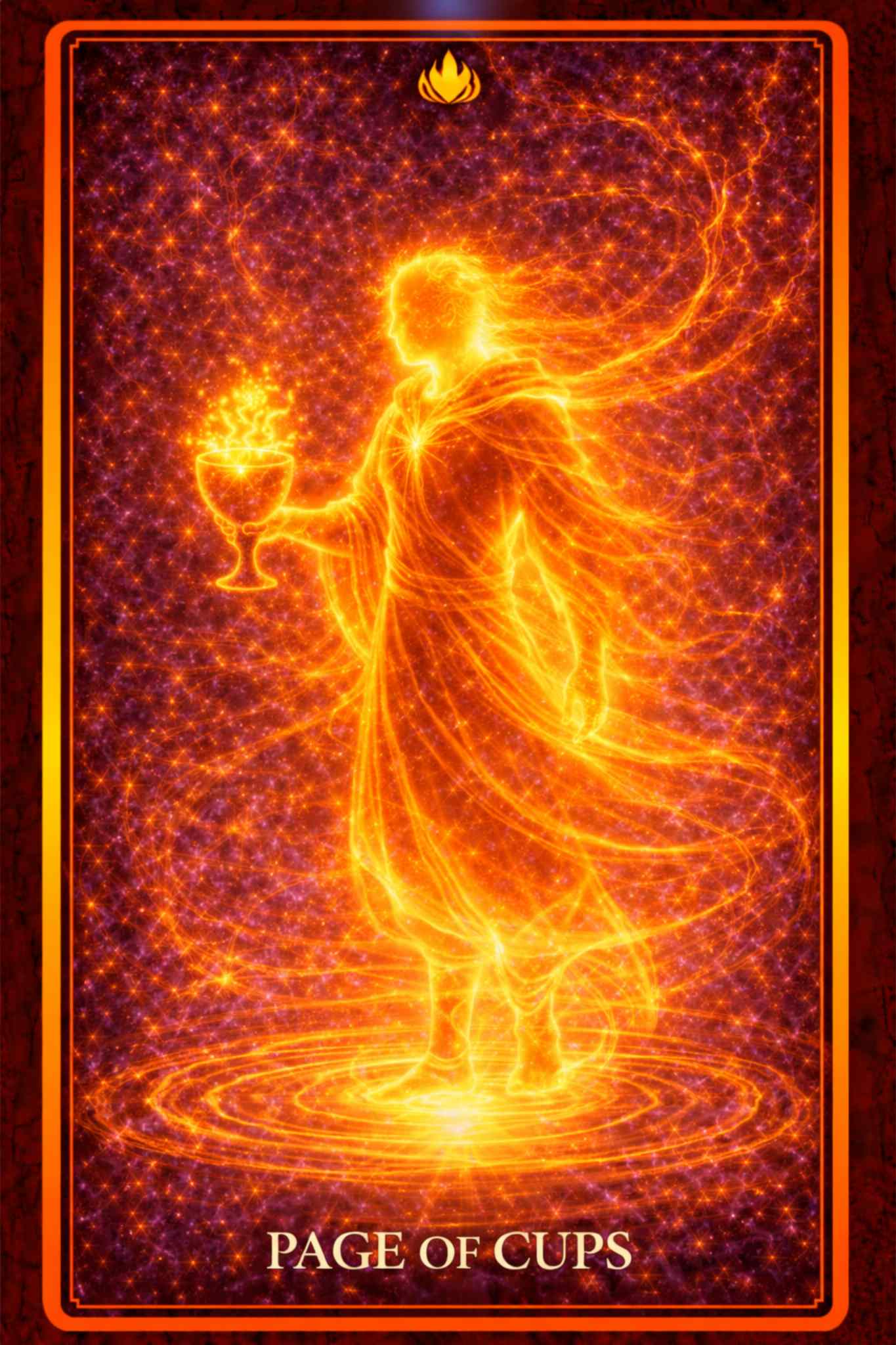
Page of Cups

11
sensitivity • intuition
Page of Cups tarot card – emotional message, sensitivity, intuition and gentle surprise
Upright: Emotional curiosity, sensitivity, and gentle new feeling are active.
Reversed: Immaturity, emotional inconsistency, or blocked sensitivity may be present.

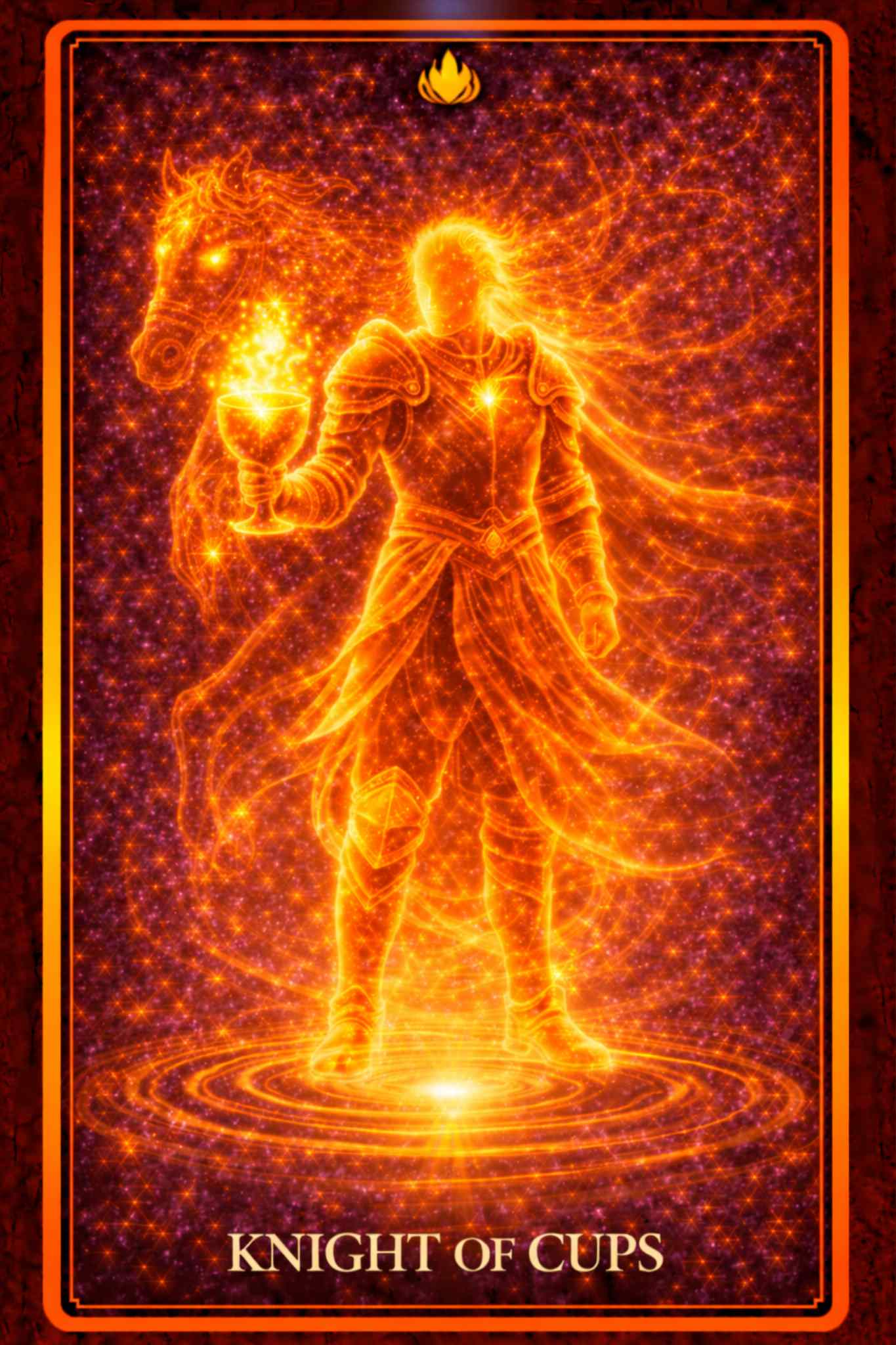
Knight of Cups

12
romance • charm
Knight of Cups tarot card – romance, invitation, idealism and emotional pursuit
Upright: Romance, emotional pursuit, charm, and heartfelt movement are active.
Reversed: Moodiness, idealization, or inconsistent emotional pursuit may be present.

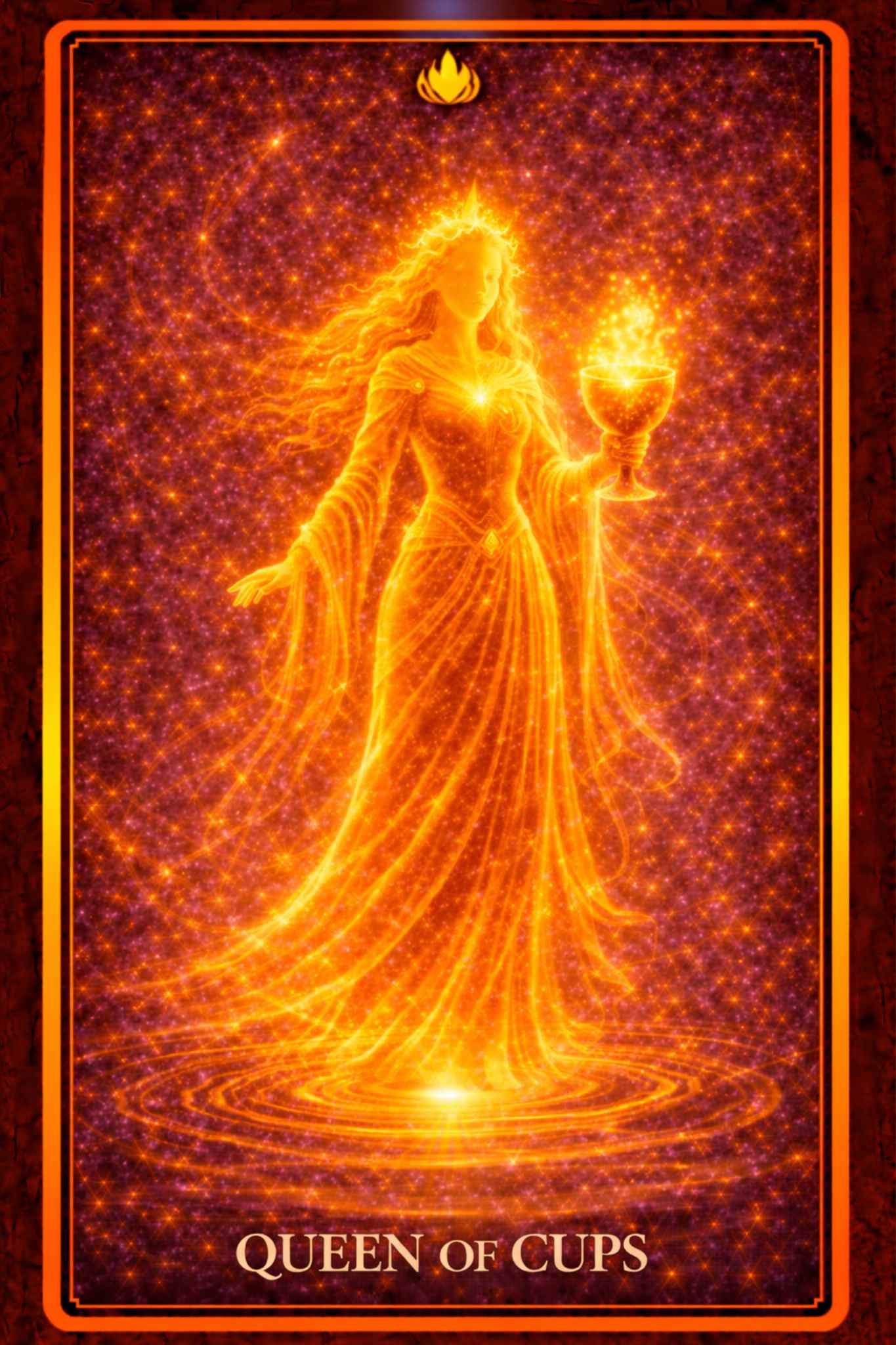
Queen of Cups

13
empathy • intuition
Queen of Cups tarot card – intuition, compassion, emotional wisdom and deep receptivity
Upright: Compassion, intuition, emotional wisdom, and gentle depth are strong.
Reversed: Emotional overwhelm, poor boundaries, or distorted sensitivity may be affecting the situation.

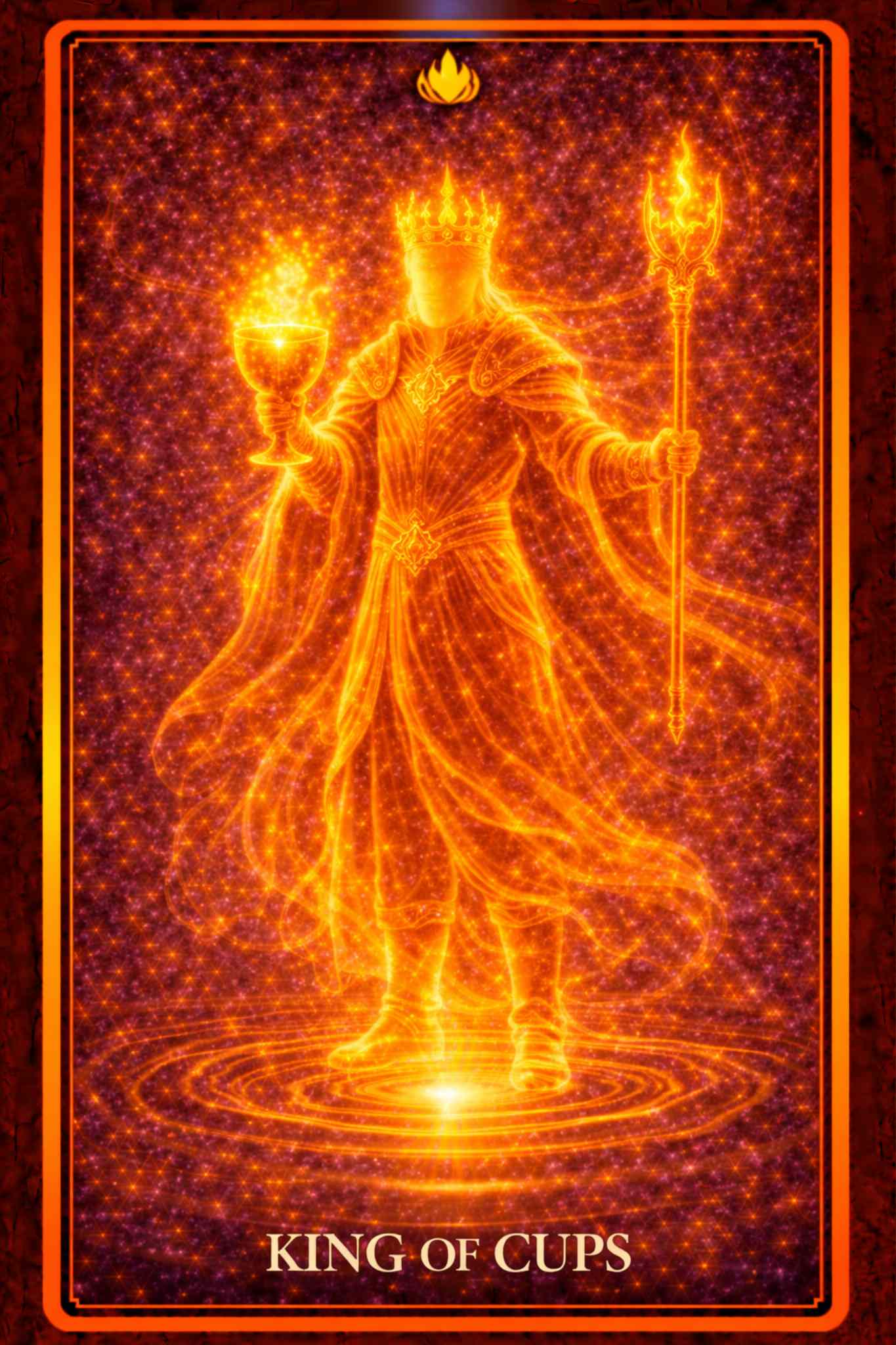
King of Cups

14
emotional balance • compassion
King of Cups tarot card – emotional mastery, maturity, steadiness and wise compassion
Upright: Emotional mastery, steady compassion, and mature inner balance are strong.
Reversed: Emotional suppression, imbalance, or controlled intensity may be affecting the situation.

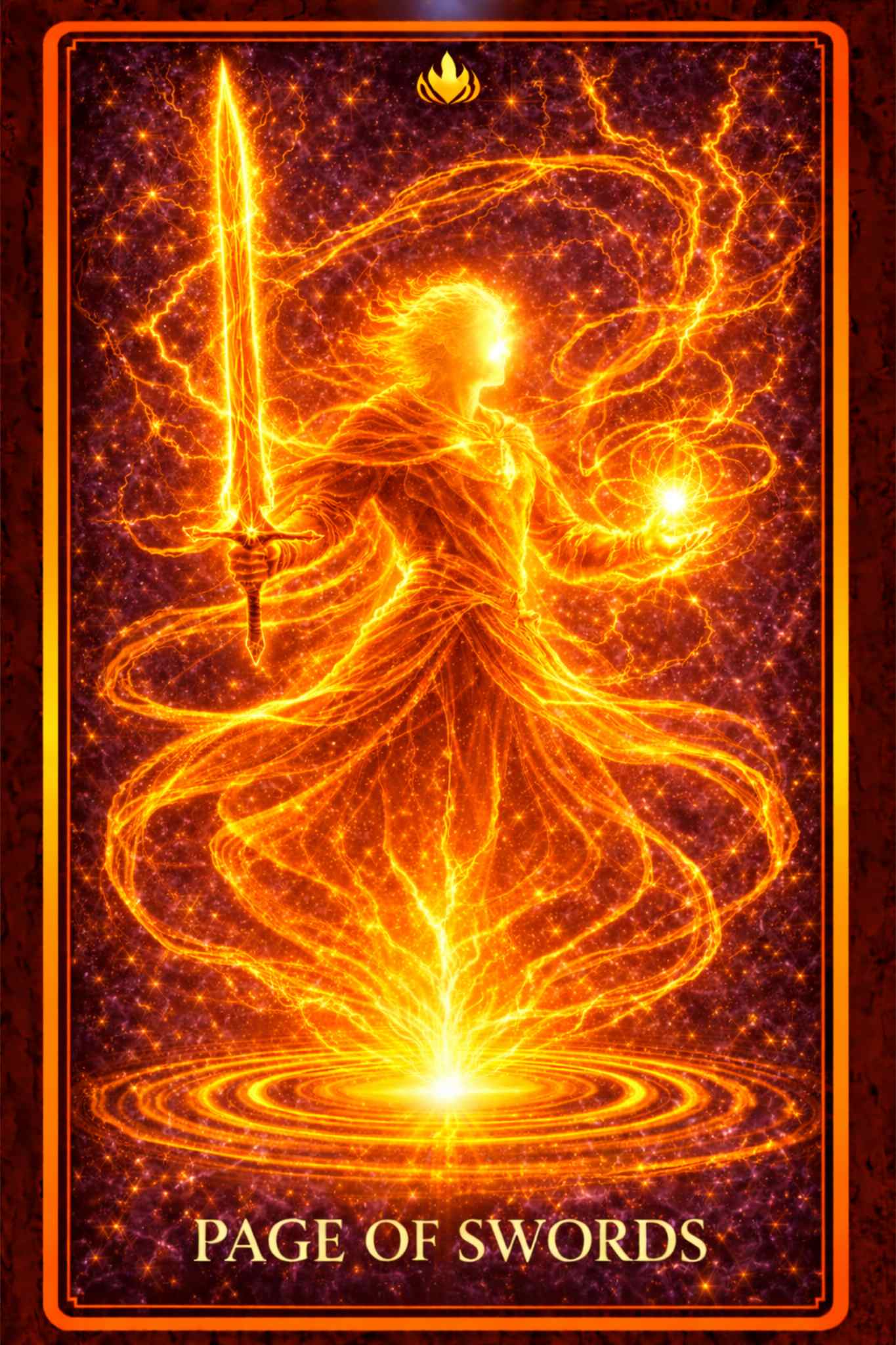
Page of Swords

11
curiosity • vigilance
Page of Swords tarot card – curiosity, observation, vigilance and mental alertness
Upright: Curiosity, alertness, questioning, and sharp observation are active.
Reversed: Immaturity, restless thinking, suspicion, or careless communication may be present.

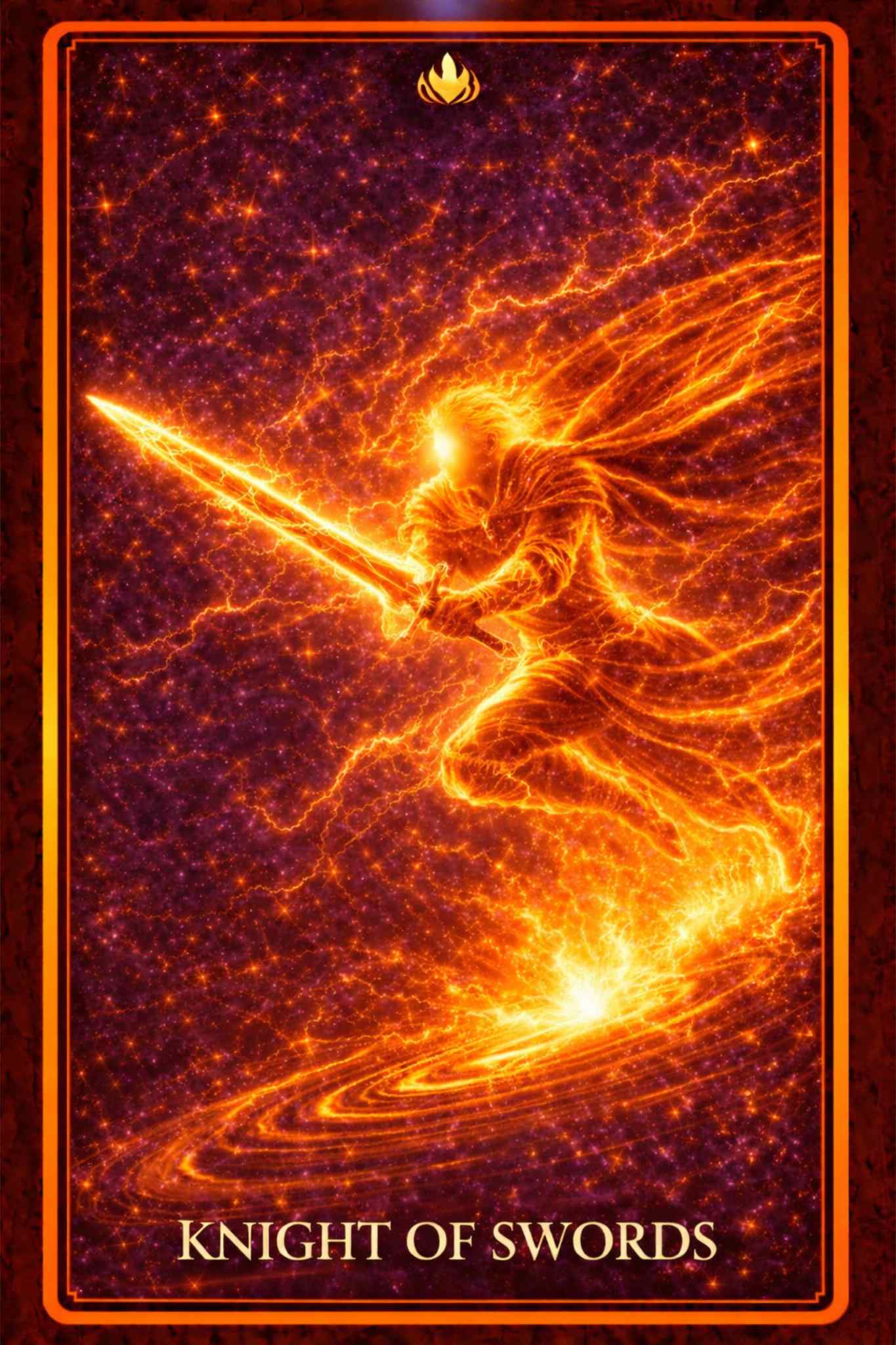
Knight of Swords

12
ambition • speed
Knight of Swords tarot card – speed, ambition, action and forceful pursuit
Upright: Fast action, direct pursuit, and strong mental momentum are active.
Reversed: Impulsiveness, aggression, or reckless communication may be complicating the situation.

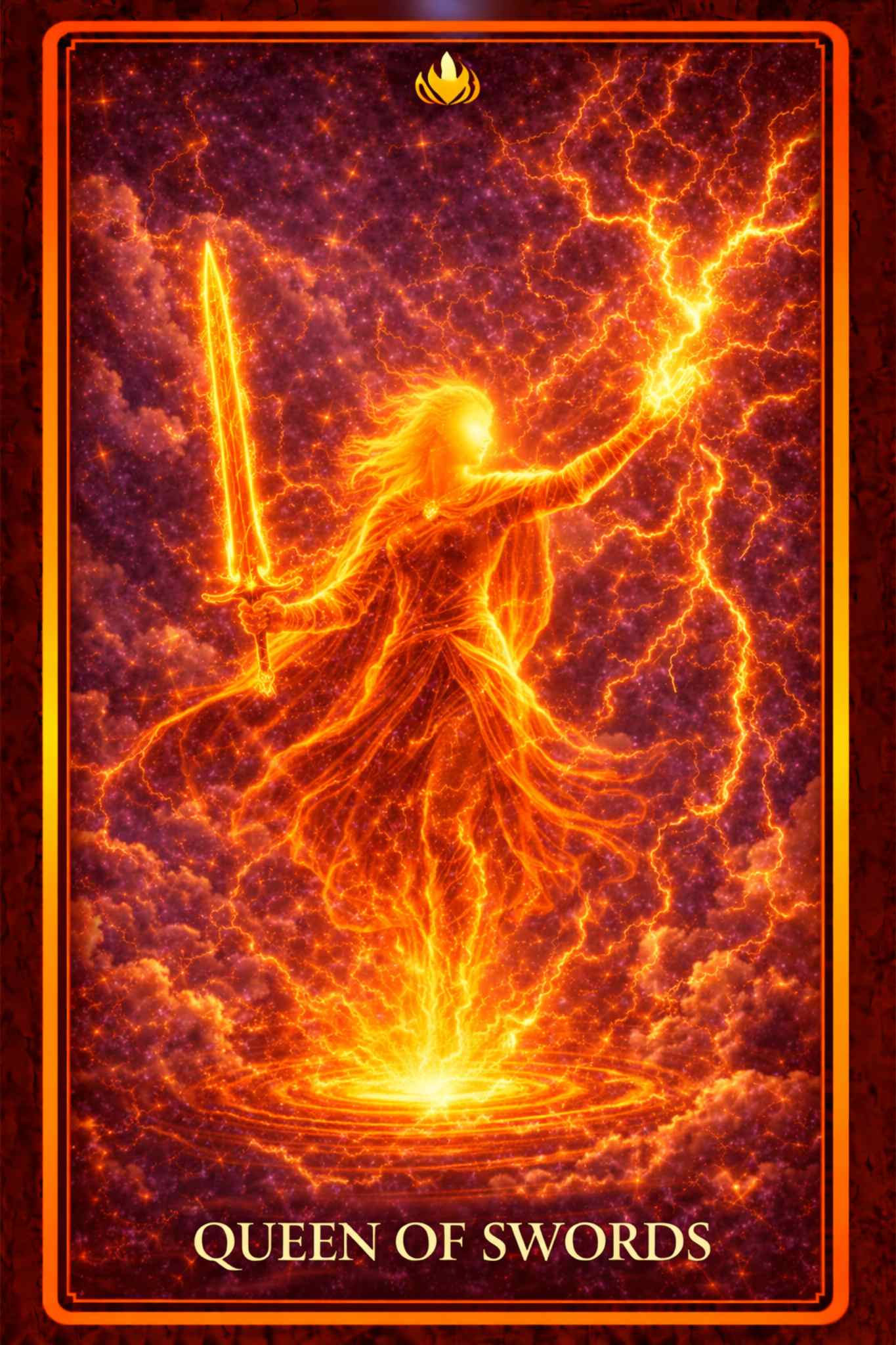
Queen of Swords

13
clarity • independence
Queen of Swords tarot card – discernment, honesty, independence and clear perception
Upright: Discernment, independence, truth, and sharp emotional intelligence are strong.
Reversed: Harshness, coldness, bitterness, or overly defensive judgment may be present.

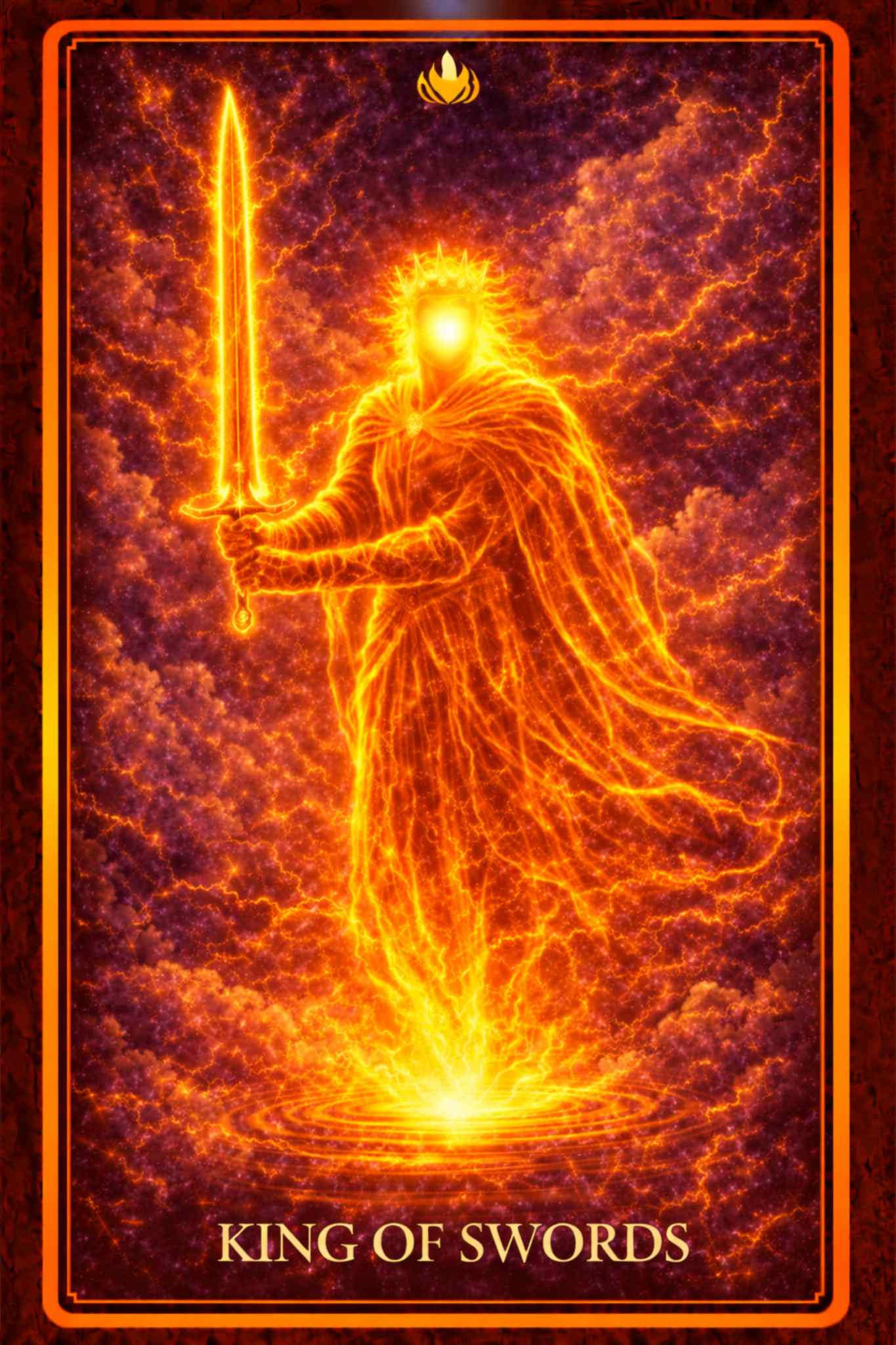
King of Swords

14
authority • logic
King of Swords tarot card – authority, logic, truth and intellectual mastery
Upright: Authority, logic, truth, and disciplined judgment are strong.
Reversed: Rigidity, cold authority, misuse of intellect, or detached control may be present.

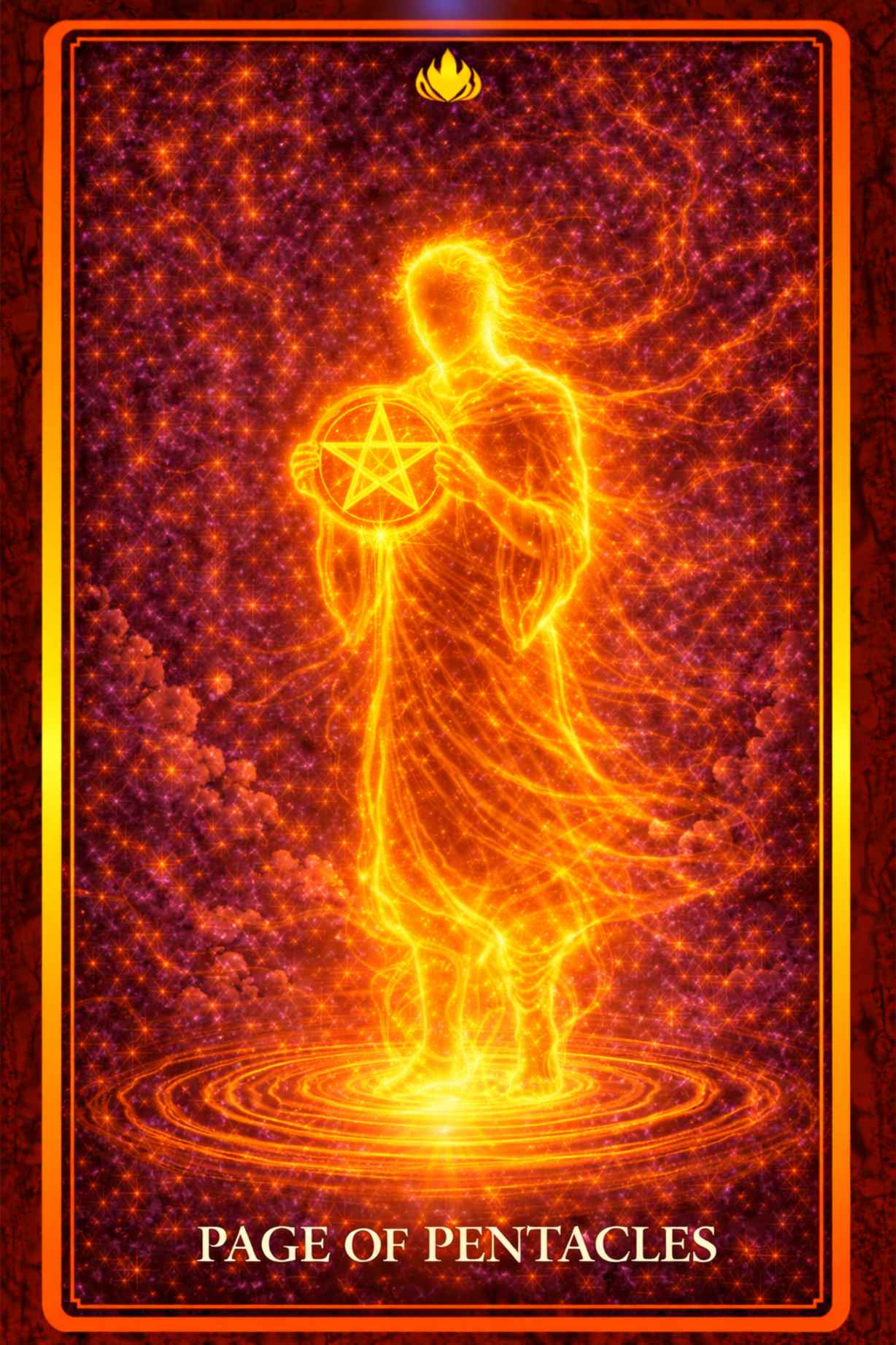
Page of Pentacles

11
study • opportunity
Page of Pentacles tarot card – study, potential, focus and practical beginnings
Upright: Study, curiosity, grounded ambition, and practical new learning are active.
Reversed: Immaturity, poor focus, or weak follow-through may be present.

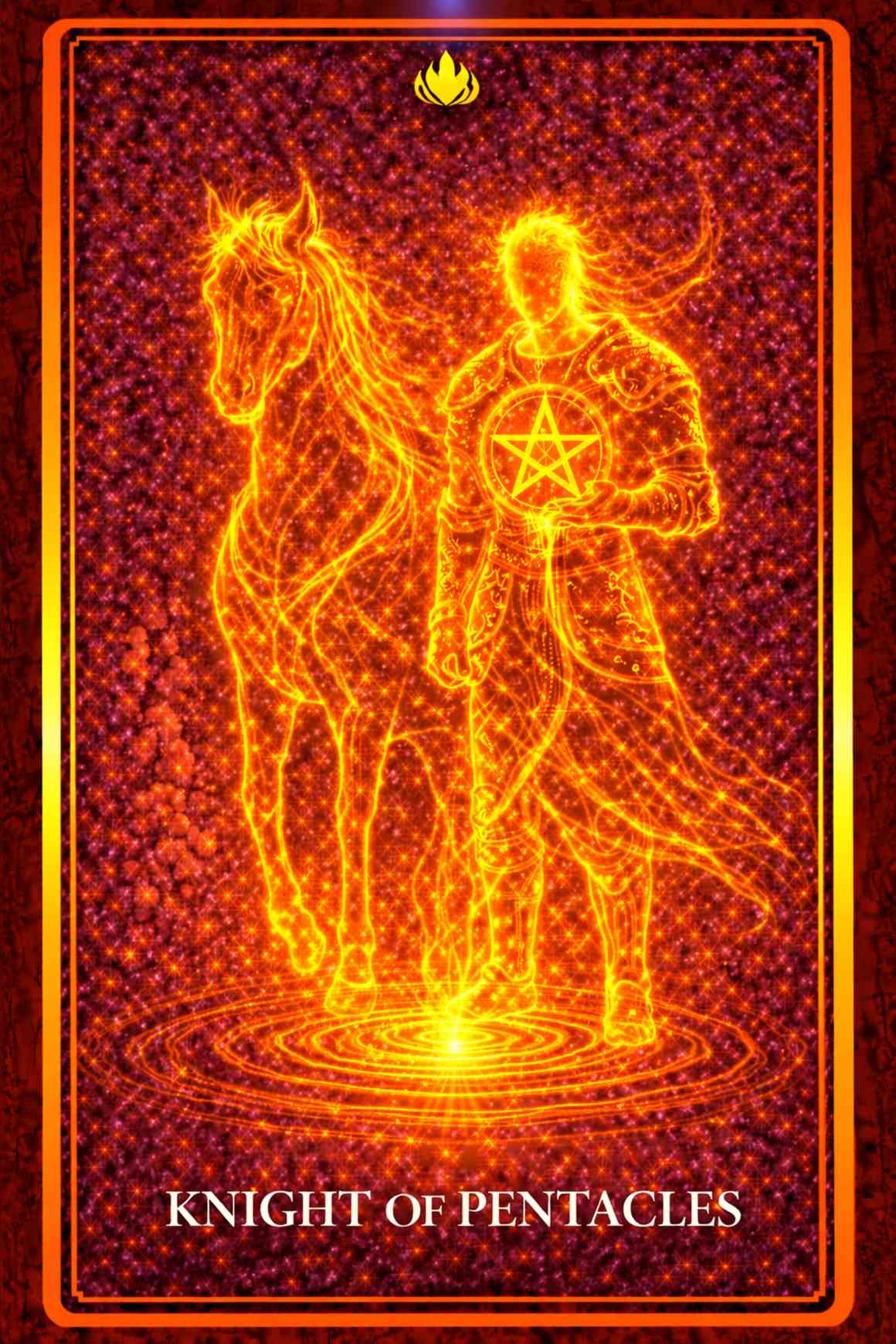
Knight of Pentacles

12
reliability • discipline
Knight of Pentacles tarot card – reliability, discipline, consistency and steady progress
Upright: Steadiness, responsibility, reliability, and disciplined progress are strong.
Reversed: Stagnation, rigidity, dull routine, or slow progress without vitality may be present.

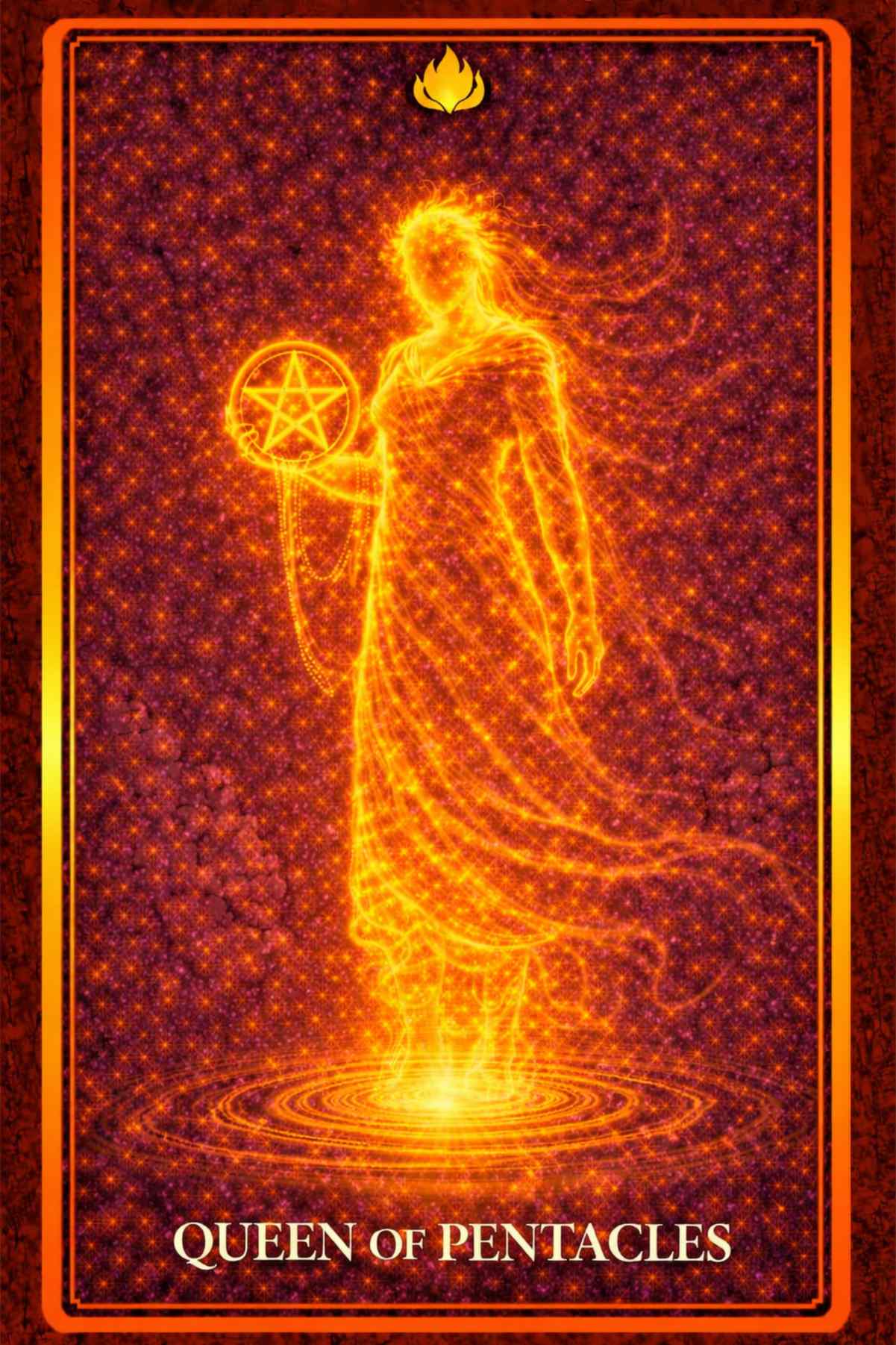
Queen of Pentacles

13
nurturing • abundance
Queen of Pentacles tarot card – nurture, practicality, abundance and grounded care
Upright: Nurturing stability, grounded abundance, and practical care are strong.
Reversed: Overgiving, depletion, insecurity, or imbalance in care and self-care may be present.

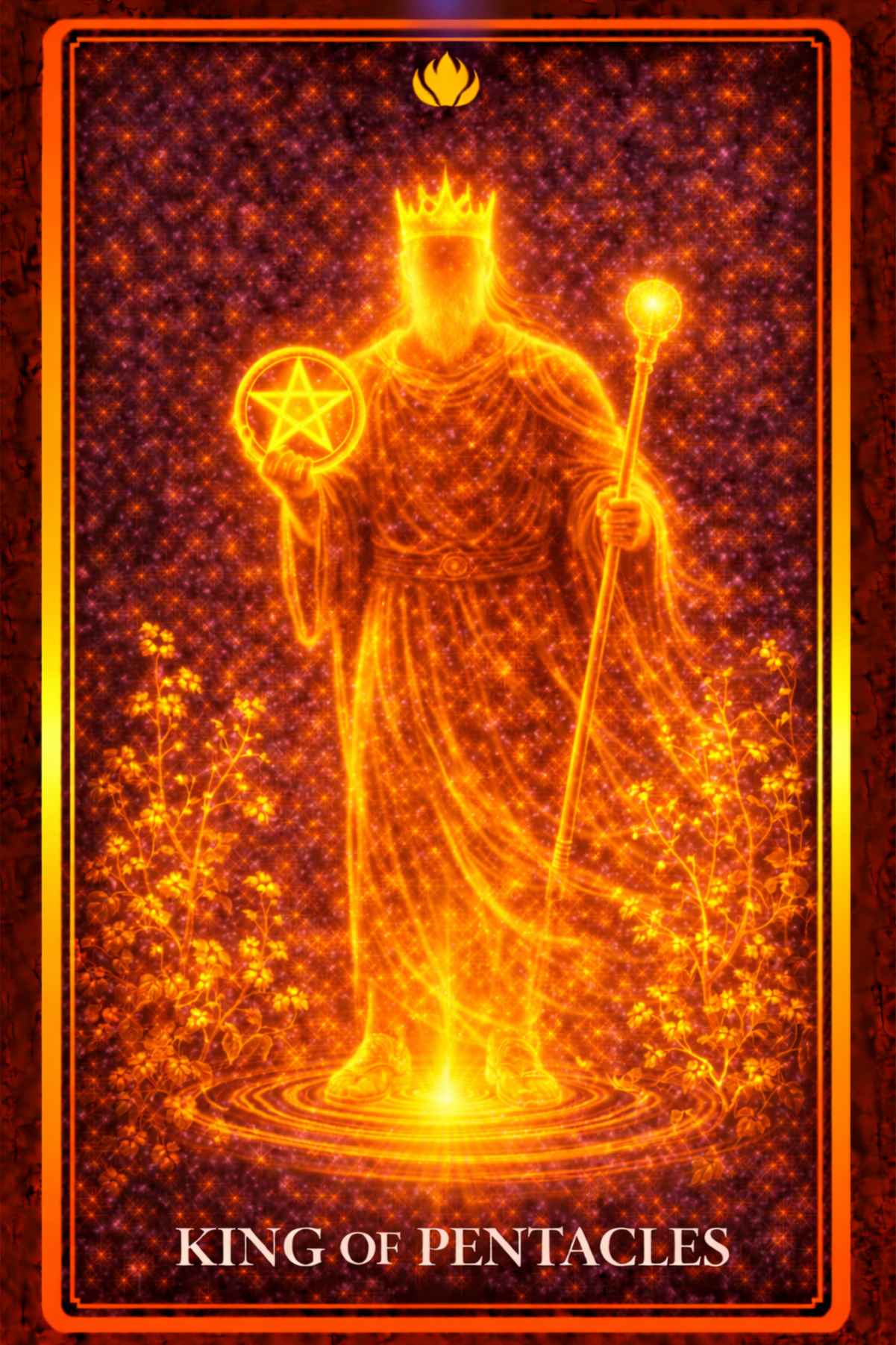
King of Pentacles

14
success • stability
King of Pentacles tarot card – success, security, mastery and stable leadership
Upright: Success, stability, mastery, and responsible abundance are strong.
Reversed: Control, stubbornness, greed, or unstable authority around material security may be present.

Court Cards — FAQ

What are Court Cards in tarot?
Court Cards are the Page, Knight, Queen and King in each suit of the Minor Arcana. Instead of predicting events, they usually describe a person, personality pattern, or role active in the situation.
Do Court Cards always represent other people?
Not always. A Court Card can represent someone else, but it can also describe your role, behavior, or maturity level in the situation. Many readings become clearer when the card is interpreted as the energy you’re being asked to embody.
What is the difference between Page, Knight, Queen and King?
These ranks describe stages of maturity. The Page reflects curiosity and learning, the Knight represents movement and pursuit, the Queen shows inner mastery and emotional intelligence, and the King represents outward leadership and responsibility.
How do tarot suits change the meaning of Court Cards?
The suit shows where the energy expresses itself. Wands relate to passion and ambition, Cups to emotions and relationships, Swords to communication and mental clarity, and Pentacles to work, money and practical stability.
Do Court Cards represent age or gender?
Not literally. While Pages may suggest beginner energy and Kings may represent authority, tarot readers usually interpret Court Cards as roles or personality patterns rather than strict age or gender categories.
What do reversed Court Cards mean?
Reversed Court Cards often suggest imbalance or difficulty expressing the role clearly. This may appear as immaturity, overconfidence, emotional withdrawal, or struggling with responsibility depending on the card.
What do Court Cards mean in love or relationship readings?
In love readings, Court Cards often describe a person's emotional style or relationship behavior. For example, Cups courts emphasize emotional connection, while Swords courts highlight communication patterns and boundaries.
Is tarot a substitute for professional advice?
No. Tarot is a reflective tool for personal insight and understanding. It is not medical, legal, financial, or psychological advice. If you’re facing serious concerns, consider qualified professional support.

Share this page

Share this Court Cards guide with someone exploring the Pages, Knights, Queens and Kings of the tarot and their deeper symbolic meanings.