
Moon Calendar
Use this Moon Calendar to see daily lunar phases and the month’s key moments — New Moon, Full Moon, First Quarter, Last Quarter, and notable lunar events when available. All times are shown in your local timezone for practical planning.
This calendar focuses on lunar phase timing (astronomical dates). Any “meaning” pages on Arvethis are optional reflection prompts — not predictions, and not medical, legal, financial, or psychological advice.
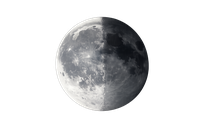
Previous phase
Last QuarterCurrent window
Last Quarter → New Moon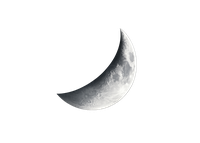
Next phase
New MoonUpcoming Moon Events
The next important lunar moments coming up soon — shown in your local time.
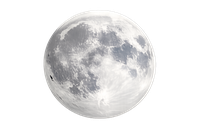
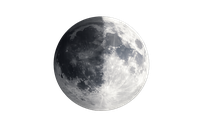
January 2026 Moon Phases & Lunar Events
Full schedule for this month: New Moon, Full Moon, quarter phases, eclipses, and special moons (when available). Times display in your local timezone.
How the Moon Cycle Works
A clear, science-based guide to lunar phases — plus a calm Arvethis way to use the timing for reflection and planning.
The Moon doesn’t actually “change shape.” What changes is how much of its sunlit half we can see from Earth. As the Moon orbits our planet, the Sun–Earth–Moon geometry shifts — and that creates the familiar rhythm of phases: New Moon, waxing light, Full Moon, and waning light.
One full cycle from New Moon to New Moon is called a synodic month, about 29.5 days. That’s why New and Full Moon dates move a little every month. This calendar lists the exact phase moments (the instants when the Moon reaches New, First Quarter, Full, or Last Quarter), and shows them in your local time.
Waxing means the illuminated portion we see is growing (more light each night). Waning means it’s shrinking (less light each night). The “bright side” can appear on different sides depending on hemisphere and where the Moon is in the sky — but the phase itself is the same worldwide.
Why can the same phase show on different dates?
A phase happens at one exact moment globally, but your local date depends on timezone.
If a phase occurs near midnight UTC, it may fall on different calendar dates in different regions.
That’s why this page converts event times into your browser’s local time for practical planning.
The four main phases (astronomy, simply explained)
- New Moon: The Moon is between Earth and the Sun. The sunlit side faces away from us, so it looks dark.
- First Quarter: About half of the visible face is illuminated — roughly a quarter of the orbit completed since New Moon.
- Full Moon: Earth is between the Sun and Moon, so the Moon’s near side is fully illuminated.
- Last Quarter: About half illuminated again — now the cycle is moving toward New Moon.
Eclipses (why they’re rare)
Eclipses don’t happen every Full or New Moon because the Moon’s orbit is slightly tilted compared to Earth’s orbit around the Sun.
Most months the alignment is close — but not exact — so the Moon passes above or below the shadow path.
When the alignment is just right, you can get a lunar eclipse (at Full Moon) or a solar eclipse (at New Moon).
If your database includes eclipse rows, they’ll appear in the calendar.
The Arvethis Insight approach (optional)
Arvethis treats lunar timing as a gentle monthly structure: check the phase, notice your inner weather,
then choose one grounded next step. This is not prediction — it’s a reflection practice you can use if it helps.
- New Moon: name an intention, pick a theme, begin quietly.
- Waxing: build consistency, practice, take steady steps.
- Full Moon: review honestly, celebrate progress, release what’s heavy.
- Waning: simplify, close loops, rest, prepare for renewal.
Arvethis tip: If you want a one-minute prompt, pair a phase moment with a single Tarot pull (for reflection, not certainty). Keep it simple: one question, one insight, one gentle action.
Tarot Tools that pair well with the Moon
If you want a deeper reflective prompt, try one of these interactive Tarot readings.
FAQ
Quick answers about moon phases, timing, and how to use this calendar.
What is a moon calendar?
A moon calendar shows the Moon’s phase for each day and highlights key moments such as the New Moon, Full Moon, First Quarter, and Last Quarter. It’s useful for planning, journaling, and tracking lunar timing.
Why can the same phase show on different dates in different places?
A phase happens at one exact moment, but local time depends on timezone. If a phase occurs near midnight UTC, it may appear on a different local date where you live.
How can I use moon phases for reflection?
Use the New Moon to set intentions, the waxing phase for consistent action, the Full Moon for review and release, and the waning phase to simplify and rest. These are reflection prompts, not predictions.
Is this science or astrology?
The calendar uses astronomical lunar phase timing. Any “meaning” pages are optional symbolic interpretations for self-reflection — not professional advice.
Is this a substitute for medical, legal, financial, or mental health advice?
No. Arvethis content is for entertainment and self-reflection only. For important decisions, consult a qualified professional.